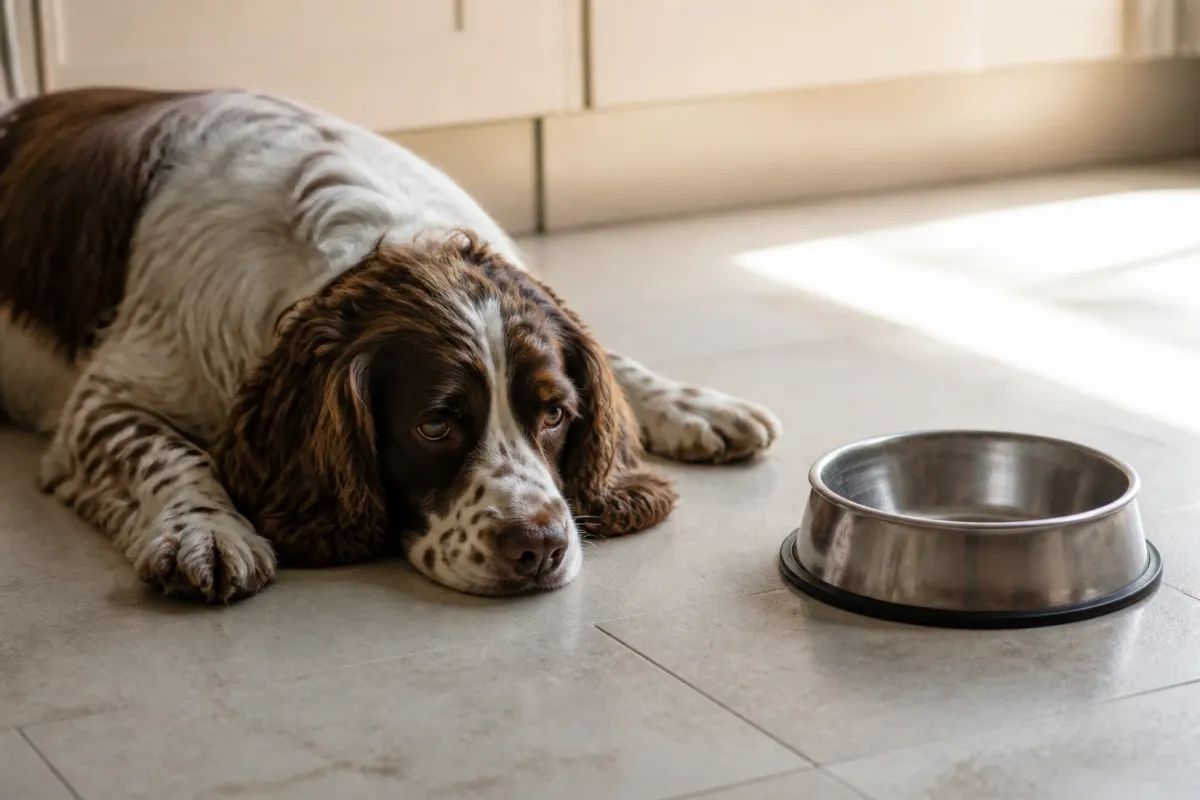
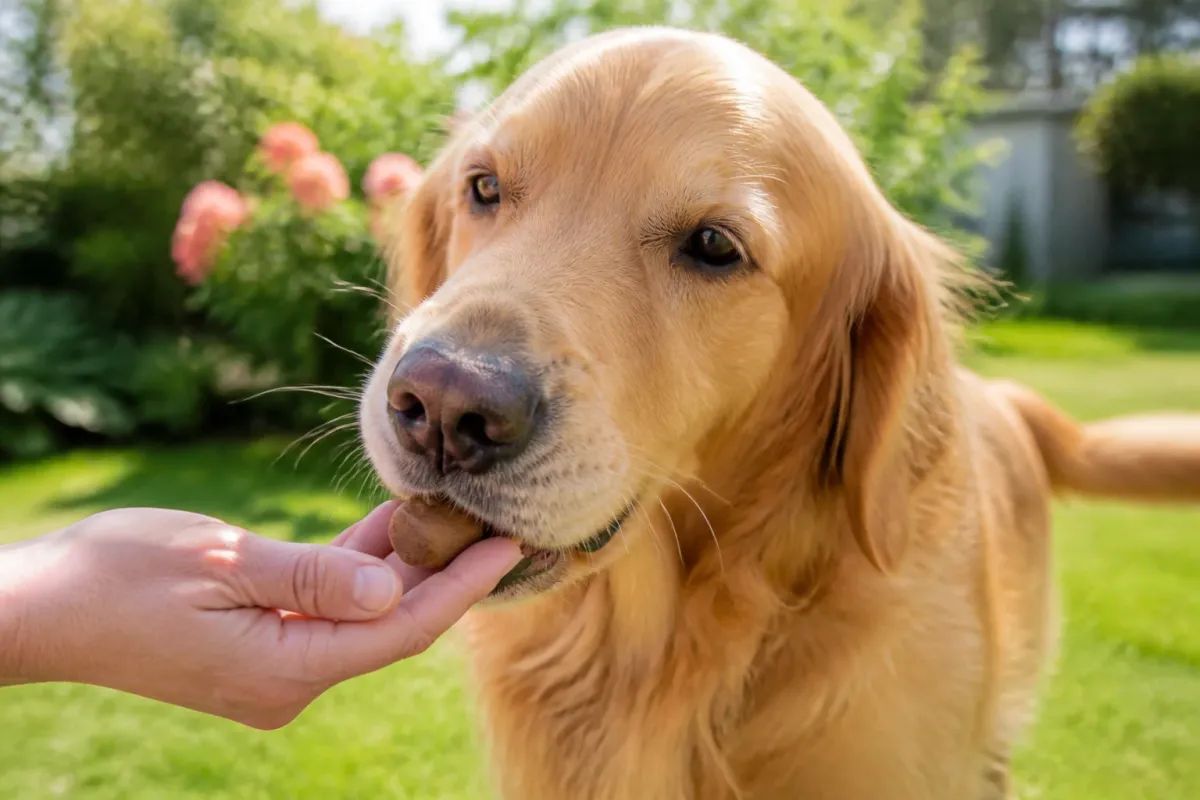
CBD treats are not a proven or routinely recommended treatment for dogs. Some research suggests CBD may help certain dogs with osteoarthritis-related pain, but evidence for anxiety and other uses remains limited or conflicting. CBD treats can also contain inaccurate CBD amounts, THC, heavy metals or unsafe ingredients.
As of September 25, 2026, the U.S. Food and Drug Administration has not approved CBD or cannabis products for use in animals. The FDA recommends speaking with a veterinarian before giving a dog any cannabis-derived product.
The available evidence is small. One arthritis study followed dogs for four weeks, while a separate analysis found inconsistent labeling and contamination in some retail products.
CBD Treats for Dogs at a Glance
| Question | Evidence-Based Answer |
|---|---|
| Can CBD treats help some dogs? | Possibly, particularly for osteoarthritis discomfort, but the evidence is limited. |
| Are CBD treats FDA-approved for dogs? | No. |
| Are CBD treats automatically safe? | No. CBD can cause sedation, stomach upset, drug interactions and changes in liver enzymes. |
| Are human CBD gummies safe for dogs? | No. They may contain THC, xylitol or other dangerous ingredients. |
| Should you give CBD treats without veterinary advice? | No, especially if your dog takes medication or has liver disease. |
Can CBD Treats Help Dogs With Arthritis Pain?
CBD may provide some relief for dogs with osteoarthritis, but it should supplement veterinary treatment rather than replace it.
A randomized, placebo-controlled Cornell study gave dogs with osteoarthritis CBD oil twice daily. The dogs had lower pain scores and higher activity levels than the placebo group. The study also found an increase in alkaline phosphatase, a liver-related enzyme. Because the study tested CBD oil rather than ordinary retail treats, its results do not show that every CBD chew will have the same effect.
Cornell veterinary guidance reports that more than 80% of the dogs in the osteoarthritis study showed reduced pain. It also warns that CBD can affect liver enzymes and interact with other medications.
A veterinarian may recommend established arthritis care such as prescription pain medication, weight management, physical rehabilitation or a joint-care plan. CBD should not replace those treatments.
Do CBD Treats Work for Dog Anxiety?
The evidence for anxiety is weaker than the evidence for osteoarthritis.
One study tested CBD treats during a noise-induced fear test. At the dose used, CBD did not provide strong evidence of an anti-anxiety effect. The study also raised concerns about combining CBD with other products or medications. Owners who want to try a treat format with their vet's blessing can look at calming chews for dogs and bring the ingredient list to the appointment.
A newer double-blind, placebo-controlled crossover study published in 2026 found that CBD did not reduce anxiety-related behaviors compared with placebo. The product was generally tolerated, and most adverse events were mild.
For separation anxiety, thunderstorm fear or noise phobia, behavior modification and veterinary-approved treatments have stronger clinical support than self-prescribed CBD treats.
What Are the Risks of CBD Treats for Dogs?
Potential problems include:
- Sleepiness or sedation
- Unsteadiness
- Vomiting or diarrhea
- Increased appetite
- Changes in liver enzymes
- Interactions with medications
- Exposure to THC
- Incorrect CBD labeling
- Heavy metal contamination
- Unsafe added ingredients such as xylitol
CBD can affect the enzymes dogs use to process medication. Veterinary advice is especially important for dogs taking seizure medication, sedatives, pain medication or several prescriptions at once.
THC is different from CBD. THC can cause excessive sleepiness, poor coordination, sensitivity to sound or light, changes in heart rate and changes in body temperature in dogs.
Are CBD Dog Treats Accurately Labeled?
Not consistently.
A laboratory analysis of 29 over-the-counter veterinary hemp supplements found wide variation in cannabinoid concentrations. Only 10 of 27 products were within 10% of their labeled cannabinoid amount. Heavy metal contamination was found in four products. The study covered only 29 products, so it does not represent every CBD product. It does show why retail labels cannot automatically be trusted.
A product marketed as "hemp" may contain hemp seed oil, which is not the same as a product with a measured amount of CBD. Check whether the label includes:
- CBD per treat, not only CBD per package
- THC content
- Batch-specific third-party laboratory results
- A full ingredient list
- Lot number and expiration date
- Manufacturer contact information
A certificate of analysis gives you more information about the product, but it does not make an unapproved product equivalent to a tested veterinary medicine.
How Much CBD Should a Dog Receive?
There is no universally established safe and effective dose for commercial CBD treats.
Do not calculate a dog's dose from a human CBD gummy. Do not assume that a larger dog can safely receive a proportionally larger amount, either.
The decision depends on the dog's weight, age, medical condition, liver health, current medications and the actual CBD concentration in the product. A veterinarian may recommend avoiding CBD, using a monitored trial or choosing a better-studied treatment.
When Should Dogs Not Receive CBD Treats?
Do not give CBD treats without veterinary advice if your dog:
- Takes prescription medication
- Has liver disease
- Has unexplained vomiting, lethargy or neurological symptoms
- Is pregnant or nursing
- Is a puppy or medically fragile senior
- Has seizures
- Needs treatment for significant pain or anxiety
CBD should never delay diagnosis. Pain, restlessness, aggression, shaking and nighttime pacing can result from arthritis, dental disease, neurological illness or another condition that needs proper treatment.
What Should You Do if Your Dog Eats CBD Treats Accidentally?
Check the label immediately for THC and xylitol. Contact your veterinarian or an emergency animal hospital if your dog develops marked sleepiness, stumbling, vomiting, agitation, tremors, seizures or breathing problems. Keep the packaging of any hemp-based dog calming chews you choose so the batch number is easy to find if questions come up.
Xylitol can cause dangerously low blood sugar and liver injury in dogs. In the United States, the ASPCA Animal Poison Control Center can be reached at (888) 426-4435.
Bottom Line
CBD treats are an unproven option for most routine uses in dogs. Research offers some support for possible osteoarthritis relief, but the evidence for anxiety is weaker. Product labels may be inaccurate, and CBD can interact with medication.
If your veterinarian approves a trial, use a product with a stated CBD amount, batch-specific laboratory testing, no THC or xylitol and a clear monitoring plan.