CBD oil has not been shown to treat laryngeal paralysis in dogs. It cannot reopen a paralyzed larynx, restore normal nerve function or reliably prevent a breathing crisis.
A veterinarian should assess any dog with suspected laryngeal paralysis, especially if breathing is noisy, exercise tolerance is declining, or coughing occurs during meals or drinking. Severe breathing difficulty, blue or gray gums, overheating or collapse requires emergency veterinary care.
This article answers 7 practical questions about CBD oil, laryngeal paralysis and safer treatment decisions.
CBD Oil and Laryngeal Paralysis at a Glance
| Question | Evidence-based answer |
|---|---|
| Can CBD cure laryngeal paralysis? | No. There is no evidence that CBD restores laryngeal movement or nerve function. |
| Can CBD open the airway? | No. CBD does not physically enlarge the glottic opening. |
| Can CBD replace a laryngeal tie-back procedure? | No. Surgery may be recommended when airway obstruction is serious. |
| Could CBD help anxiety or discomfort? | Possibly, but research in dogs is limited and does not specifically address laryngeal paralysis. |
| Is CBD risk-free? | No. Risks may include sedation, drug interactions, liver-enzyme changes, THC exposure and inconsistent product quality. |
| Should you give CBD before speaking with a veterinarian? | No, especially if the dog takes sedatives, pain medication or seizure medication, or has liver disease. |
Why CBD Does Not Correct Laryngeal Paralysis
Laryngeal paralysis occurs when the nerves and muscles controlling the larynx stop moving the laryngeal cartilages normally during breathing. The airway can then remain partly obstructed, especially when the dog exercises, pants, becomes stressed or is exposed to hot weather.
CBD oil does not mechanically open the larynx or repair the affected nerves. Veterinary references describe treatment as reducing airway obstruction, managing related disease and, when needed, performing arytenoid lateralization, commonly called a laryngeal tie-back.
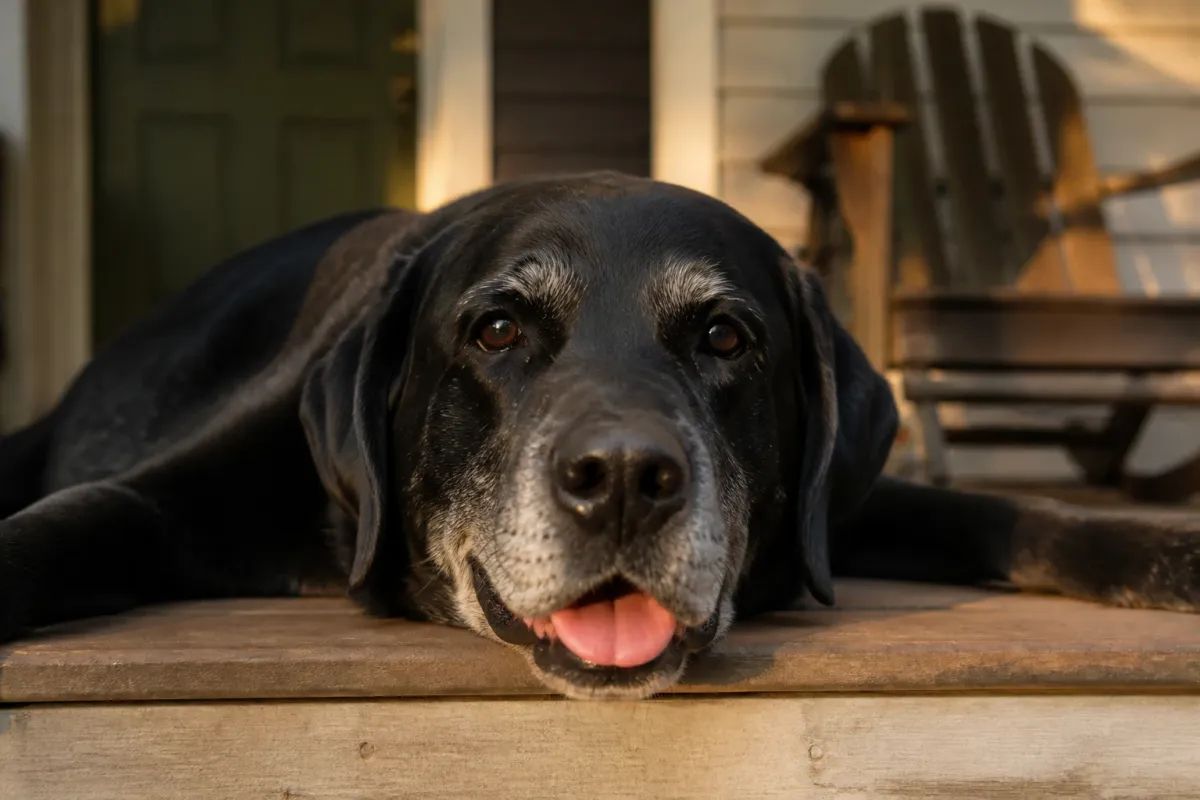
Many acquired cases occur in middle-aged or older dogs. Some are part of geriatric-onset laryngeal paralysis polyneuropathy, or GOLPP, a broader neurological condition. CBD would not be expected to reverse that nerve degeneration.
What Does Research Say About CBD for Dogs?
Research on CBD in dogs has examined conditions such as osteoarthritis, epilepsy and some behavioral problems. A systematic review of randomized veterinary trials found possible benefits for pain and activity in dogs with osteoarthritis, while evidence for other conditions remained limited. The review did not establish CBD as a treatment for laryngeal paralysis.
CBD products are not FDA-approved for veterinary use. Product strength can vary, and no standard therapeutic dose has been established for dogs. Reported concerns include sedation, increased appetite, liver-enzyme changes and interactions with other medicines.
The U.S. Food and Drug Administration has not approved cannabis or CBD products for use in animals and cannot ensure their safety or effectiveness. It advises pet owners to discuss treatment options with a veterinarian.
Could CBD Help With Symptoms Indirectly?
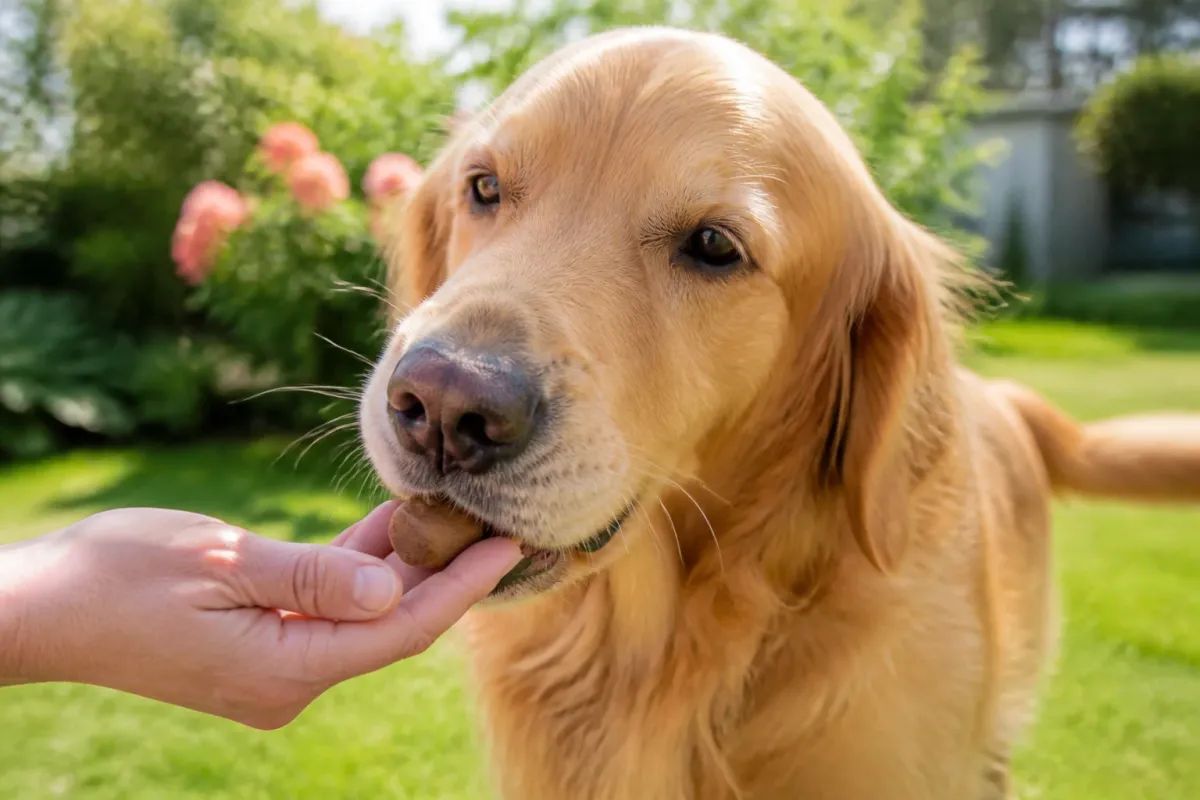
Possibly, but that would not mean CBD is treating the airway problem. For a dog whose breathing worsens when it gets worked up, some owners discuss calming support for dogs with their vet as one small part of keeping the dog settled.
A veterinarian might consider whether anxiety, arthritis or another painful condition is causing unnecessary panting. Less panting could reduce stress on a compromised airway, but this has not been established as a safe or effective treatment for laryngeal paralysis.
Sedation creates another concern. A dog may look calmer while its breathing problem continues. CBD may also interact with nervous-system depressants, including gabapentin, pregabalin, tramadol, benzodiazepines and barbiturates. Extra caution is needed in dogs with liver disease.
How Is Laryngeal Paralysis Diagnosed?
A veterinarian usually reviews the dog's history and symptoms, then confirms the diagnosis by examining laryngeal movement with laryngoscopy under light anesthesia. Additional tests may investigate hypothyroidism, tumors, myasthenia gravis or generalized neurological disease.
Common signs include:
- Noisy or harsh breathing
- A changed or hoarse bark
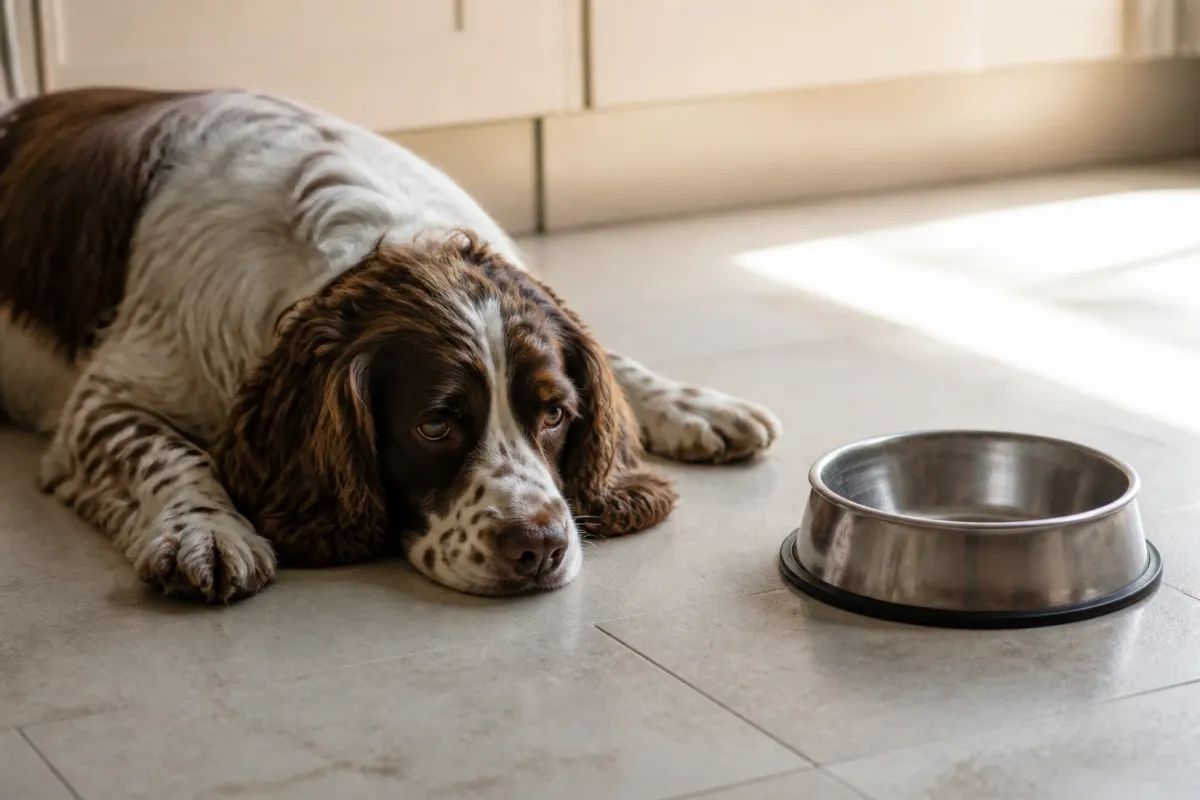
- Coughing or gagging, especially around food or water
- Reduced exercise tolerance
- Excessive panting
- Difficulty breathing
- Collapse or bluish mucous membranes in severe cases
These signs can also occur with heart and other respiratory conditions. A dog should be diagnosed before any CBD product is considered.
What Treatments Are More Appropriate?
Treatment depends on the severity of the obstruction, the dog's age and general health, whether aspiration or neurological disease is present, and the risk of respiratory distress.
Mild or Stable Cases
A veterinarian may recommend:
- Avoiding hot and humid conditions
- Limiting strenuous exercise
- Keeping the dog at a healthy weight
- Using a harness instead of a neck collar
- Prescribing medication for inflammation or stress when appropriate
- Watching for coughing, swallowing problems and worsening breathing
These steps can reduce triggers, but they do not reverse the paralysis.
Moderate or Severe Cases
A laryngeal tie-back, or arytenoid lateralization, may be considered when the obstruction affects breathing or quality of life. The operation enlarges the airway and can improve airflow, but it does not restore normal laryngeal function.
The main trade-off is a higher risk of aspiration pneumonia because the larynx remains more open during swallowing. A veterinary surgeon should explain this risk alongside the risk of leaving a serious obstruction untreated.
Is CBD Safe for a Dog With Laryngeal Paralysis?
No. CBD is not automatically safe because it is sold as "natural" or "hemp-derived." Cannabinoid concentrations can vary, and some products may contain THC or contaminants.
THC is particularly dangerous for dogs. It can cause lethargy, drooling, vomiting, agitation, tremors and seizures.
Before considering CBD, ask the veterinarian to review:
- The exact product and its certificate of analysis
- The amount of CBD per millilitre
- Whether the product contains THC
- The dog's liver function
- All current medicines and supplements
- Whether sedation could make breathing harder to monitor
- Whether the dog is being evaluated for surgery
Do not give human CBD products, cannabis products or products containing THC unless a veterinarian specifically directs you to do so.
Bottom Line
CBD oil is not a proven treatment for laryngeal paralysis in dogs. It will not reopen a paralyzed airway, and it should not delay diagnosis, emergency care or a discussion about laryngeal tie-back surgery.
A veterinarian might consider a carefully monitored CBD trial for a separate problem, such as pain or anxiety. That decision depends on the dog's other medicines, liver health and breathing status.
If the dog is struggling to breathe, overheating, collapsing or developing blue or gray gums, go to an emergency veterinary hospital immediately. Do not try to manage those signs with CBD at home.