Reviewed:
CBD overdose in dogs is possible. Dogs can become ill after eating a large amount of CBD oil, tincture, treats or gummies. Pure CBD generally has a wider safety margin than THC, but too much can cause vomiting, diarrhea, lethargy and unsteadiness. Some CBD products also contain THC or other toxic ingredients, which can make the exposure more serious.
What to Do if Your Dog Ate CBD
If your dog has just ingested CBD, call your veterinarian, an emergency veterinary hospital or a pet poison service for advice. Do not wait for severe symptoms, even if your dog seems normal.
In the United States, you can call:
- ASPCA Animal Poison Control: (888) 426-4435
- Pet Poison Helpline: (855) 764-7661
Go directly to an emergency veterinary hospital if your dog is having a seizure, struggling to breathe, collapsing, unconscious or unable to walk normally.
| Situation | Recommended action |
|---|---|
| Small amount of verified CBD, no symptoms | Call your veterinarian or poison control for product- and weight-specific advice |
| Large amount, unknown amount or a whole container | Contact a veterinarian or poison service immediately |
| CBD gummy or human product | Check for THC, xylitol, chocolate and caffeine, then call immediately |
| Seizures, breathing difficulty, collapse or unconsciousness | Go to an emergency veterinary hospital now |
| Vomiting, diarrhea, severe sleepiness or difficulty walking | Contact a veterinarian promptly |
What Are the Signs of Too Much CBD in Dogs?
Too much CBD can cause:
- Vomiting
- Diarrhea
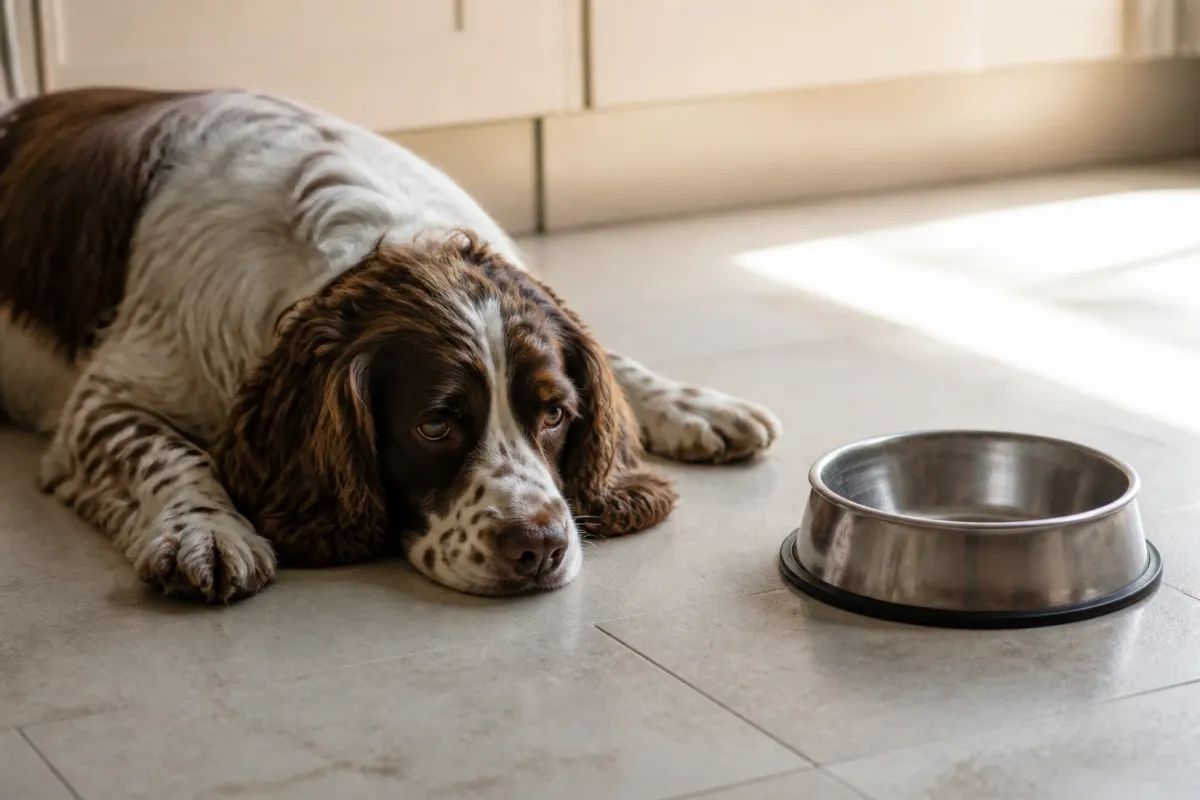
- Sleepiness or lethargy
- Poor coordination or unsteadiness
- Drooling
- Reduced appetite
THC-contaminated products can cause more noticeable cannabis poisoning signs. These include marked sleepiness, poor coordination, dilated pupils, urine dribbling, changes in blood pressure or body temperature, agitation, tremors, seizures and, in severe cases, coma.
Pure CBD poisoning usually has an excellent prognosis, and signs often resolve within about 24 hours with veterinary care. THC, synthetic cannabinoids or other toxic ingredients can cause a more serious or longer-lasting illness.
Why CBD Products Can Be More Dangerous Than the Label Suggests
CBD products can be riskier than their labels suggest because there is no established veterinary overdose threshold for CBD. Pet Poison Helpline says these products are not regulated veterinary drugs, so dosing advice is based on limited research, manufacturer guidance and veterinary experience. Product strength and ingredient accuracy can also vary.
A product labeled "CBD" may also contain:
- THC, which is more toxic to dogs than CBD
- Xylitol, a sweetener that can cause dangerously low blood sugar, seizures, liver injury and death
- Chocolate or caffeine, especially in human gummies or other edible products
- Other supplements or medicines that may interact with your dog's treatment
Xylitol is an emergency. Signs can begin quickly and may include vomiting, weakness, staggering, collapse and seizures. Check the ingredient label immediately if your dog ate CBD gummies or a human CBD product.
Do Not Make Your Dog Vomit Without Veterinary Instructions
Do not give your dog salt, milk, oil or other home remedies. Do not induce vomiting unless a veterinarian or animal poison-control professional specifically tells you to do so. Vomiting can be unsafe if your dog is sleepy, uncoordinated, having a seizure or at risk of inhaling vomit.
Have this information ready when you call:
- Your dog's weight, age and health conditions
- The product name and ingredient label
- The CBD concentration and estimated amount eaten
- The time of ingestion
- Any symptoms your dog is showing
- The product packaging, if veterinary treatment is needed
Is CBD Safe for Dogs at Normal Doses?
Some controlled studies found that healthy dogs tolerated specific CBD-containing products at the doses studied. One study administered 2 mg/kg of CBD twice daily for 12 weeks. Another evaluated products providing 5 mg/kg of total cannabinoids per day. A product with a stated amount per chew, such as the popular dog calming treats reviewed by other owners, is simpler to dose accurately than an unmarked oil.
These studies do not establish a universal safe dose or an overdose limit for every dog and every product.
CBD may affect liver enzymes and the way other medicines are metabolised. Ask a veterinarian to review CBD use if your dog takes anticonvulsants, sedatives, pain medicines or other regular treatments. The U.S. Food and Drug Administration has not approved cannabis or CBD products for use in animals, and their safety and effectiveness cannot be assured.
Bottom Line
Treat a large ingestion, an unknown product or a CBD gummy containing xylitol as a possible poisoning. Call a veterinarian or pet poison service promptly. Go to an emergency veterinary hospital for seizures, breathing problems, collapse, severe weakness or unconsciousness.