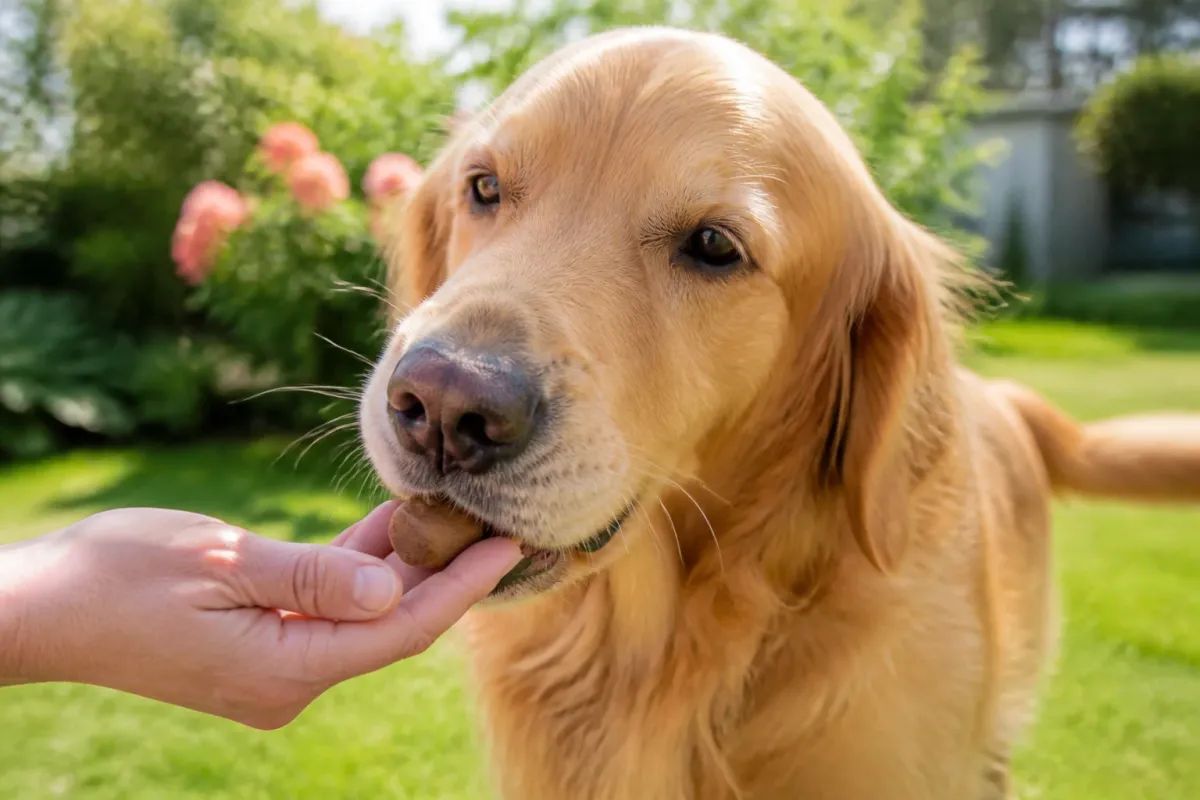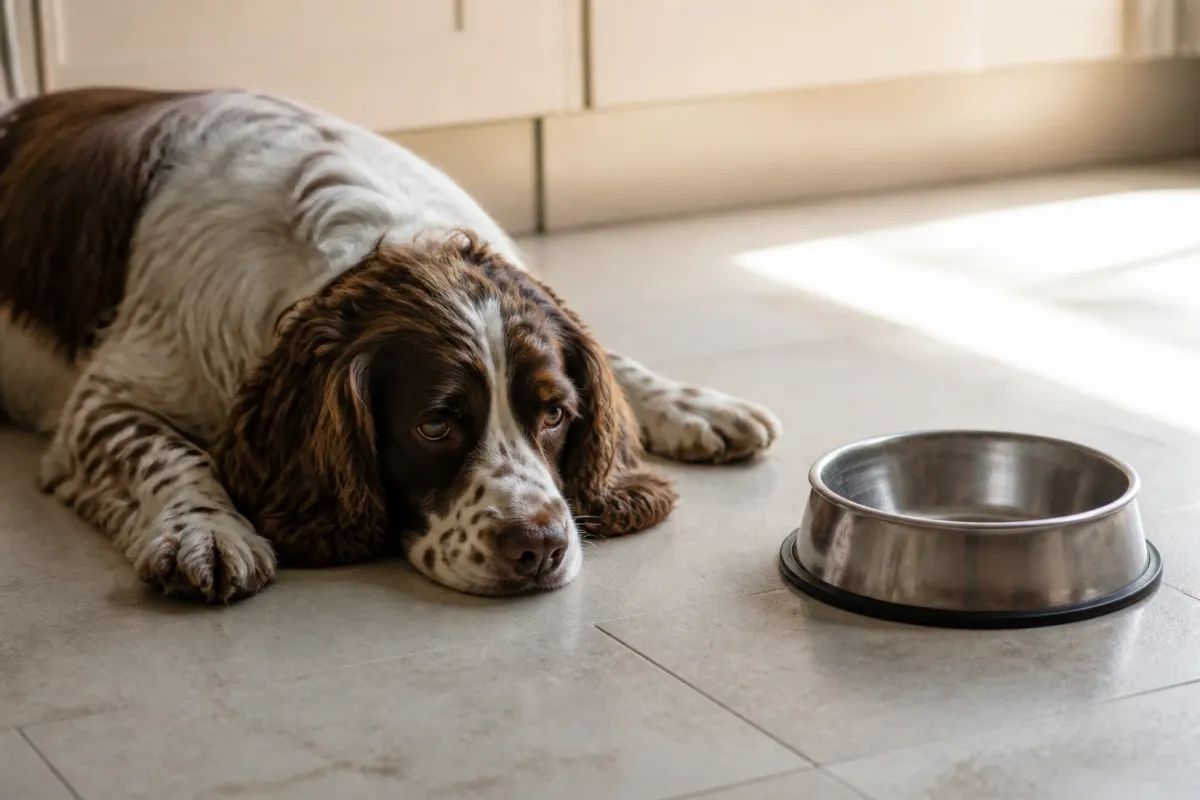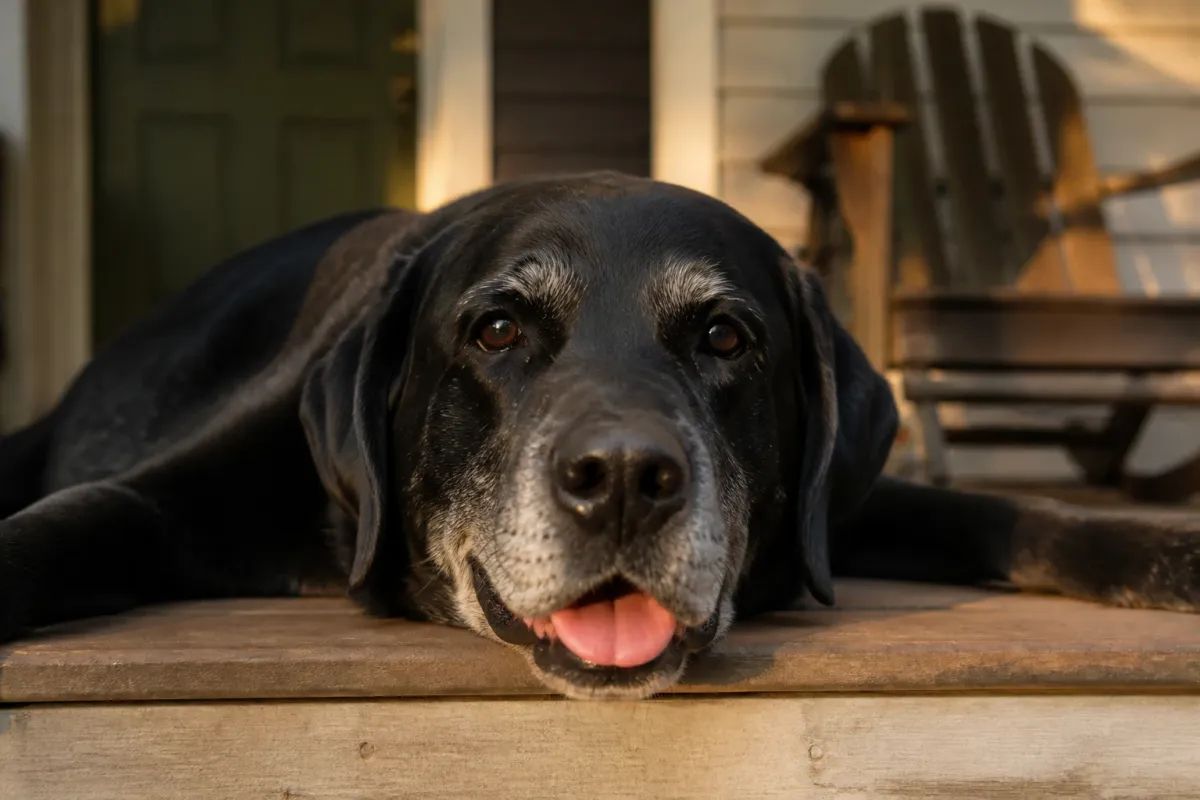

CBD is not a proven sleep treatment for dogs. A controlled study found that CBD did not improve sleep quality, resting, or overall daily activity in healthy adult dogs given up to 4.5 mg/kg per day. A small 2025 study in dogs with osteoarthritis also found no clear sleep benefit. CBD might help a dog settle if anxiety or pain is disrupting sleep, but current evidence does not show that it reliably helps dogs sleep through the night.
| Question | Practical answer |
|---|---|
| Does CBD directly improve canine sleep? | No reliable evidence |
| Could it make a dog appear sleepy? | Possibly, but lethargy can also be an adverse effect |
| Is CBD approved for dogs? | No. The FDA has not approved cannabis products for any use in animals |
| Should you give CBD tonight? | Ask your veterinarian first, especially if your dog takes medication |
| What should you check first? | Pain, anxiety, urinary problems, illness, or age-related cognitive decline |
Why Your Dog May Be Awake at Night
Night waking is usually a symptom of another problem rather than a separate sleep disorder. Possible causes include:
- Pain or arthritis
- The need to urinate or defecate
- Anxiety, fear, or separation distress
- Gastrointestinal discomfort
- Heart or breathing problems
- Canine cognitive dysfunction in older dogs
- Changes in the home, daily routine, noise, or sleeping area
Veterinary references associate nighttime restlessness with pain, urinary problems, gastrointestinal disease, neurological conditions, endocrine disease, and cognitive dysfunction. Senior dogs may pace, vocalize, or seem confused when their sleep-wake cycle changes.
If the problem started suddenly, finding the cause is safer than trying to sedate your dog.
What Does the Research Say About CBD and Dog Sleep?
The most relevant canine research does not support CBD as a sleep aid. In one study, researchers used activity monitors to measure rest, activity, and sleep quality in healthy adult dogs. CBD did not significantly change total activity, resting time, or sleep quality compared with the control treatment.
A small 2025 study involved eight dogs with osteoarthritis. It reported similar sleep scores for a synthetic CBD treatment and placebo. Since the study was small and used an injectable product, its results do not show that standard CBD oils or treats improve sleep.
CBD might appear to help when poor sleep is linked to discomfort or stress. That would be an indirect effect. Evidence for using CBD to treat anxiety or other behavioral problems in dogs is also limited. VCA states that no studies have confirmed a benefit for behavioral conditions in dogs and cats.
Is CBD Safe for Dogs?
CBD products are not automatically safe because they are labeled "natural." The FDA has not approved cannabis for use in animals and cannot confirm the safety or effectiveness of marketed animal CBD products. The FDA also warns that cannabis exposure can cause lethargy, vomiting, drooling, agitation, tremors, and seizures.
Other concerns include:
- Unreliable product strength: The actual CBD content may not match the label.
- THC contamination: THC is not safe for dogs and may cause serious neurological signs.
- Drug interactions: CBD can affect drug metabolism. Laboratory research using canine liver systems found a possible interaction with tramadol metabolism.
- Liver concerns: Long-term safety data remain incomplete, and FDA documents identify liver-related concerns in the available animal literature.
- Unwanted sedation: A dog that becomes unusually sleepy may be experiencing an adverse effect rather than better-quality sleep.
Do not give your dog human CBD products, cannabis, THC products, or human sleep medication unless a veterinarian specifically tells you to do so.
What to Do If Your Dog Will Not Sleep Tonight
Try these basic measures while arranging veterinary advice:
- Take your dog outside for a calm bathroom break.
- Check for limping, panting, abdominal discomfort, itching, or difficulty getting comfortable.
- Use a quiet, dark sleeping area away from windows and household noise.
- Keep feeding, exercise, and bedtime routines consistent.
- Provide a comfortable bed, especially for an older dog or a dog with arthritis.
- Do not increase CBD or combine it with other calming products without veterinary guidance.
Call a veterinarian promptly if nighttime restlessness is new, persistent, or accompanied by pain, repeated vomiting, breathing difficulty, collapse, severe disorientation, tremors, or seizures. A senior dog that begins pacing or vocalizing at night should also be examined for cognitive dysfunction and other medical causes. Once medical causes are ruled out, some owners add dog relaxation supplements to a steady evening routine, with their vet's agreement, to help a restless dog wind down.
Bottom Line
CBD should not be relied on as a treatment for canine insomnia. The dog studies available so far do not show a dependable improvement in sleep, and the FDA has not approved CBD for animal use. If your dog wakes at night, look for the cause first. Ask your veterinarian before using CBD, especially if your dog is older, has liver disease, or takes medication.