
CBD is not the compound that causes a marijuana high in dogs. THC, or delta-9-tetrahydrocannabinol, causes intoxication. CBD products may still contain THC or other ingredients that can make a dog sick.
Last reviewed:
CBD vs. THC in Dogs
| Compound | Makes dogs high? | Main concern |
|---|---|---|
| CBD | Generally no | Vomiting, diarrhea, drowsiness, drug interactions, or product contamination |
| THC | Yes. Dogs can be highly sensitive to it | Poor coordination, lethargy, urine dribbling, tremors, low blood pressure, and seizures in severe cases |
CBD and THC are different cannabinoids. THC activates brain receptors linked to intoxication, while CBD does not produce the same high. CBD can still make a dog sleepy or less alert, but that is a possible side effect, not a marijuana high.
Can a CBD Product Still Make a Dog Act High?
Yes. A CBD product can make a dog act high if it contains THC or is inaccurately labeled. CBD products are not made to the same standards, and some may be contaminated or adulterated with THC. Full-spectrum cannabis products may also contain THC, depending on how they are made and labeled.
A dog exposed to THC may show:
- Wobbling or difficulty walking
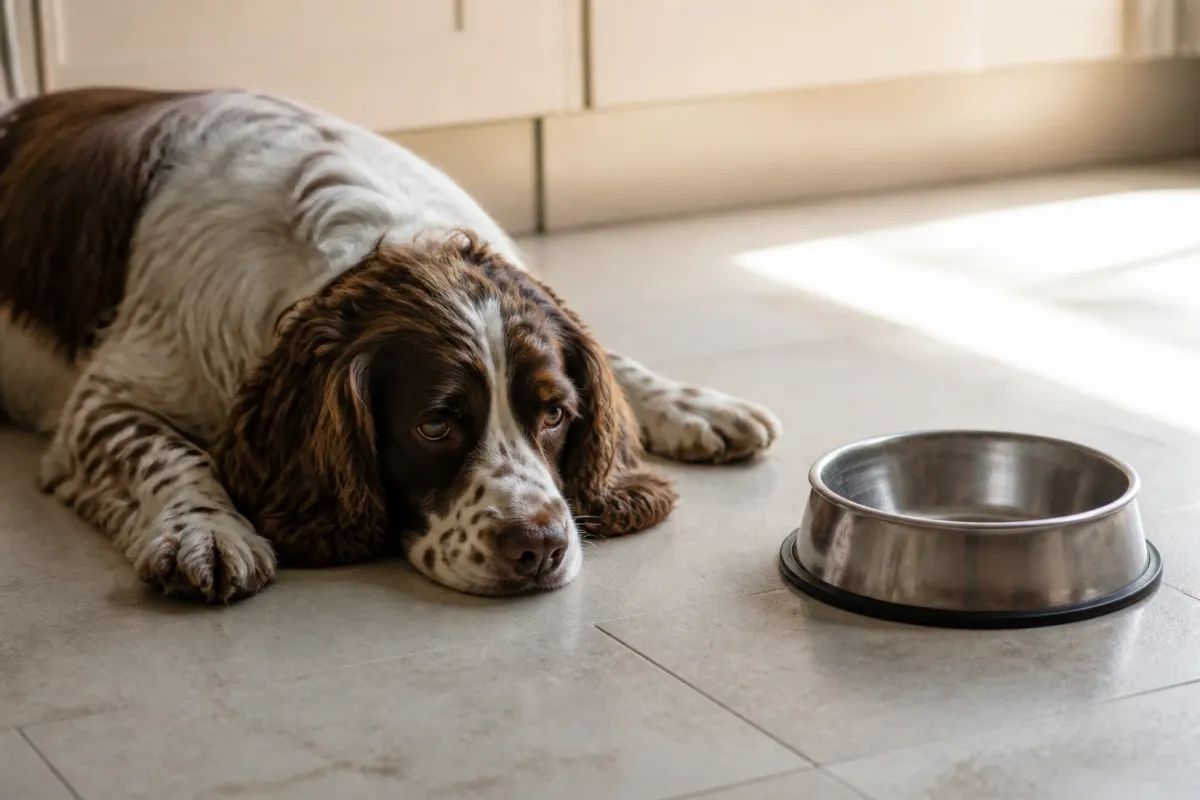
- Extreme sleepiness or depression
- Dilated pupils
- Urine dribbling or loss of bladder control
- Vomiting
- Trembling or twitching
- Sensitivity to sound or touch
- Agitation
- Low body temperature or blood pressure
THC poisoning in dogs is usually treatable with veterinary supportive care. Signs commonly resolve within one to three days. Severe cases can involve respiratory depression, seizures, or coma, although death is rare.
Is CBD Safe for Dogs?
CBD is less likely to intoxicate dogs than THC, but that does not make every CBD product safe or effective. The U.S. Food and Drug Administration has not approved cannabis products for use in animals. It also cannot guarantee the safety, quality, or effectiveness of products marketed for pets.
Possible concerns include:
- Vomiting or diarrhea after a large dose
- Excessive sleepiness or changes in alertness
- Interactions with prescription medications
- Unreliable CBD or THC concentrations
- Harmful ingredients in products made for humans
Speak with a veterinarian before giving CBD to a dog, especially if the dog takes medication, has liver disease, is pregnant, or has a diagnosed medical condition. Choosing calming products made for dogs with a THC result on the batch report is the surest way to avoid the intoxication described above.
What Should You Do if Your Dog Ate CBD or Cannabis?
Contact a veterinarian or emergency animal hospital promptly if the product was labeled THC, marijuana, cannabis, or an edible, or if your dog is showing symptoms. In the United States, you can also contact the ASPCA Animal Poison Control Center at 888-426-4435 or Pet Poison Helpline at 800-213-6680.
Keep the packaging available. The veterinarian may need to check the product's cannabinoid content and other ingredients. Do not give your dog more CBD or try home treatment unless a veterinary professional tells you to do so.
Bottom Line
If a dog appears stoned after taking a CBD product, treat it as a possible THC exposure or adverse reaction. Keep the product packaging and contact a veterinarian for advice.