Last reviewed:
CBD oil for dogs is usually slow to take effect. Many dogs show a noticeable change within 1 to 2 hours, but timing varies. In canine studies, oral CBD oil reached peak blood concentrations after about 1.5 to 2.2 hours, with individual dogs ranging from roughly 1 to 4 hours. A peak blood level does not mean pain, anxiety, or itching will improve at that exact time.
CBD Oil for Dogs at a Glance
| Question | Practical answer |
|---|---|
| When might CBD oil start working? | Often within 1 to 2 hours, although timing varies |
| When should you judge the effect? | Wait at least 2 hours unless your veterinarian gives different instructions |
| How long can CBD remain in the body? | One dog study found an oral oil half-life of about 4.2 hours. This does not show how long visible benefits will last |
| Will one dose treat chronic pain or itching? | Not necessarily. Clinical studies often looked for changes over 2 to 4 weeks |
| Is CBD approved for dogs? | No. The FDA has not approved cannabis or CBD products for use in animals |
What Affects How Quickly CBD Works?
Several factors can change how quickly a dog responds:
- The CBD concentration and formulation
- Whether the product is an oil, chew, capsule, or another form
- Whether the dog takes it with food
- The dog's size, age, metabolism, and health
- Other medications the dog takes
- Whether the goal is short-term calming or support for a chronic condition
Different CBD oils may also be absorbed differently. Studies have found substantial differences between individual dogs, so the timing seen in one product study is not a guaranteed schedule for every CBD oil.
Does CBD Work Faster for Anxiety Than Arthritis?
Not necessarily. A dog may show a behavioral change after a dose, while chronic pain or mobility requires longer observation. For a known trigger such as a car trip, owners usually give calming treats for car-anxious dogs an hour or two ahead rather than at the moment of stress.
A Cornell study of CBD chews and stressful events reported fewer stress-related behaviors in many dogs. Cornell also notes that more research is needed on the right products and doses for canine anxiety.
In an osteoarthritis study, researchers assessed pain and activity at weeks 2 and 4. They did not treat the results as an immediate, same-day effect. A dog may therefore show a short-term change after a dose, while chronic pain or mobility problems need a veterinary treatment plan and ongoing monitoring.
Should You Give More If CBD Has Not Worked After 30 Minutes?
No. Do not automatically repeat or increase the dose after 30 minutes. Oral CBD can take longer to absorb, and giving more too soon may increase the risk of sleepiness, vomiting, diarrhea, or other adverse effects.
Ask your veterinarian about the product, dose, and timing. CBD can affect liver enzymes involved in drug metabolism, which may matter if your dog takes medication for seizures, pain, inflammation, anxiety, or another condition.
Is CBD Oil Safe for Dogs?
CBD oil has not been shown to be safe and effective well enough for the FDA to approve its use in animals. The FDA advises pet owners to discuss cannabis products with a veterinarian because product quality, safety, and effectiveness are not assured.
Potential concerns include:
- Incorrect CBD concentrations on product labels
- THC contamination
- Drug interactions
- Changes in liver enzymes
- Vomiting or diarrhea
- Excessive sleepiness or unusual behavior
Never give a dog a human cannabis edible or any product containing THC. THC can cause stumbling, lethargy, agitation, tremors, urine dribbling, changes in heart rate, and other toxic effects in pets.
When Should You Call a Veterinarian?
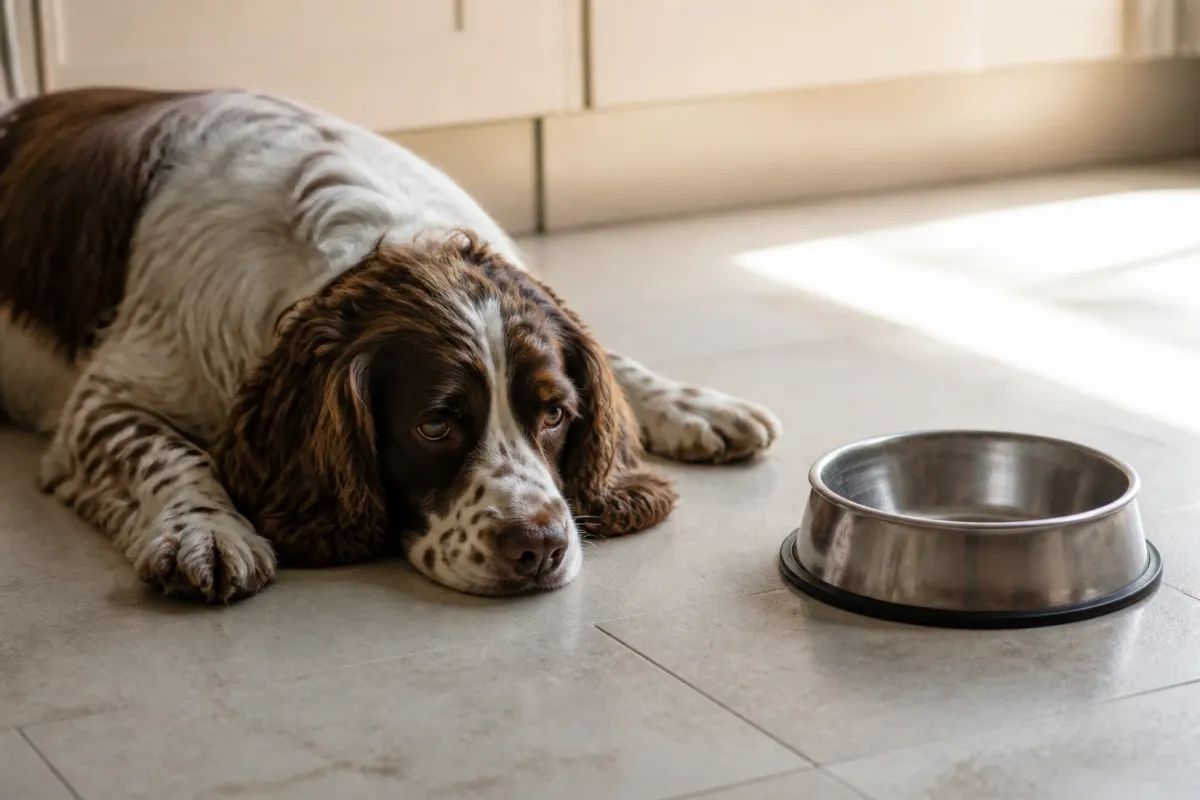
Contact a veterinarian promptly if your dog develops vomiting, diarrhea, marked sleepiness, heavy drooling, weakness, agitation, tremors, difficulty walking, seizures, or breathing problems after taking CBD or another cannabis product.
If your dog may have eaten THC, marijuana, or an unknown edible, contact a veterinarian or animal poison-control service immediately.
Bottom Line
Treat the 1 to 2-hour window as an estimate, not a signal to give more. Confirm the product, dose, and timing with your veterinarian before using CBD, particularly if your dog takes other medication or has liver disease, seizures, or another serious condition.