
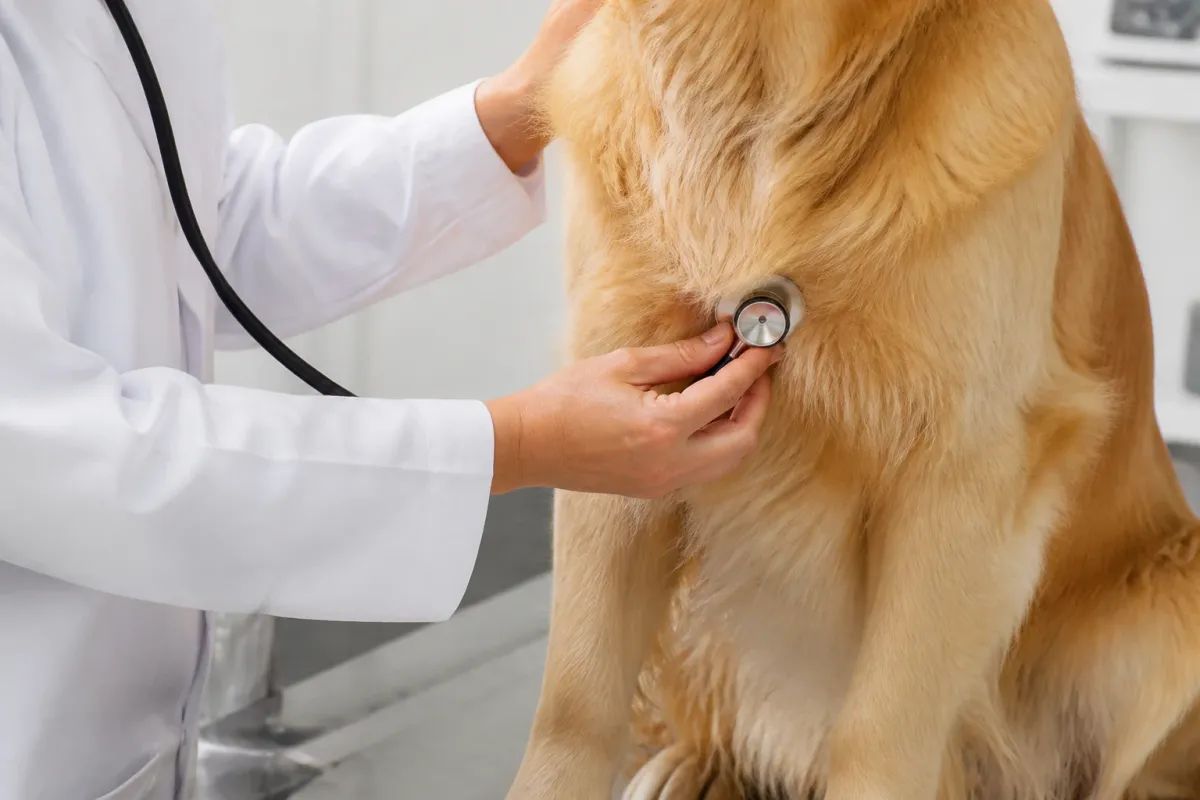
CBD for dogs is generally not a routine or first-line veterinary treatment, and most veterinarians do not recommend it as a first choice. Some vets may discuss a carefully monitored trial as an add-on for specific problems, such as osteoarthritis pain or difficult-to-control seizures. No CBD product is FDA-approved for use in dogs. As of May 6, 2026, the evidence remains limited and includes small studies, such as one epilepsy trial involving 26 dogs.
| Situation | Do vets commonly recommend CBD? | Practical view |
|---|---|---|
| Anxiety or fireworks fear | Generally not as a primary treatment | Evidence is weak; behavior modification and veterinary medicines have stronger support |
| Osteoarthritis pain | Sometimes as an add-on | Some small studies suggest benefit, but CBD should not replace proven pain management |
| Epilepsy | Occasionally discussed alongside seizure medication | One small trial found fewer seizures, but CBD is not a replacement for prescribed anticonvulsants |
| Cancer, inflammation or general wellness | Not routinely | Claims often exceed the available evidence |
| Accidental THC ingestion | Never as treatment | THC can be toxic to dogs and requires veterinary advice |
Why Do Vets Hesitate to Recommend CBD for Dogs?
Vets hesitate because CBD products for dogs have not gone through the same approval and quality-control process as FDA-approved veterinary medicines. The FDA states that it has not approved cannabis for any use in animals and cannot guarantee the safety or effectiveness of marketed pet cannabis products.
In 2025, the FDA requested information from veterinarians about CBD use in animals, including reported benefits, adverse effects, drug interactions and toxicology. The request shows that important questions about long-term safety and effectiveness remain open.
Veterinarians may also worry that CBD could:
- Delay diagnosis of an underlying illness
- Replace a treatment with stronger evidence
- Interact with prescription medicines
- Affect liver enzyme results
- Cause sleepiness, vomiting, diarrhea or unsteadiness
- Contain more or less CBD than the label states
- Contain THC, pesticides, heavy metals or other contaminants
Is There Evidence That CBD Helps Dogs?
There is some evidence that CBD may help with certain conditions, but the studies are small and do not establish CBD as a replacement for standard veterinary treatment.
CBD for Arthritis and Chronic Pain
Research on canine osteoarthritis is promising but limited. Small controlled studies have reported improvements in pain scores, comfort or activity in some dogs receiving CBD. Systematic reviews have found that larger, higher-quality studies are still needed, particularly to assess long-term effectiveness and safety.
The American Animal Hospital Association's pain-management guidance says there is not enough evidence to guide cannabinoid prescriptions in veterinary medicine. Standard pain treatments, weight management, exercise plans, rehabilitation and other therapies remain better-established options.
A vet might consider CBD as an additional treatment when:
- The dog has chronic osteoarthritis
- Standard treatment is only partly effective
- The dog cannot tolerate a particular medication
- The owner understands that the evidence is preliminary
- The dog can be monitored for side effects and drug interactions
CBD should not delay an examination for limping, sudden pain, weakness or reduced mobility.
CBD for Seizures
One randomized, blinded clinical trial involving 26 dogs with difficult-to-control idiopathic epilepsy found that dogs receiving CBD alongside conventional anticonvulsant treatment had a median 33% reduction in seizure frequency compared with the placebo group. However, two dogs receiving CBD developed ataxia, and the proportion of dogs achieving at least a 50% reduction in seizures was similar between groups.
CBD may have a role as an add-on, but it is not a proven standalone seizure treatment. Owners should not stop phenobarbital, levetiracetam, potassium bromide or another anticonvulsant without veterinary guidance.
CBD for Anxiety
CBD is widely marketed for separation anxiety, noise fear and general nervousness, but the evidence is weaker than the marketing suggests. The American Animal Hospital Association has noted that sedation can be mistaken for a reduction in anxiety. More research is needed to determine whether CBD treats canine anxiety itself.
For dogs with separation anxiety or noise aversion, vets may recommend:
- A behavior assessment
- Desensitization and counterconditioning
- Environmental changes
- A structured training plan
- Prescription medication when appropriate
The FDA has approved Tessie, which contains tasipimidine, for noise aversion and separation anxiety in dogs. CBD is not an equivalent FDA-approved treatment.
Is CBD Safe for Dogs?
CBD is not risk-free. Some dogs may tolerate it, but reported or possible side effects include:
- Lethargy or sedation
- Drooling
- Vomiting or diarrhea
- Unsteady walking
- Changes in liver enzymes
- Possible interactions with anticonvulsants, sedatives, pain medicines and drugs processed by the liver
VCA Animal Hospitals advises using cannabidiol only under veterinary direction. Owners should use caution in dogs with liver disease and discuss all other medications and supplements before starting CBD.
Long-term safety has not been fully established. Some research has examined safety over weeks or months, but that does not show that daily CBD use is safe for every dog over several years.
Why Product Quality Matters
Product quality matters because CBD labels do not always match the contents. In a study of 29 over-the-counter veterinary hemp supplements, researchers found substantial differences between label claims, company certificates of analysis and laboratory measurements. The products also varied in CBD concentration and other cannabinoids, including THC.
If a veterinarian agrees that a CBD trial is reasonable, ask for a product with:
- A current certificate of analysis from an independent laboratory
- Clearly stated CBD content per milliliter or treat
- Batch-specific testing
- Testing for THC, pesticides, heavy metals and solvents
- A complete ingredient list
- No xylitol
Xylitol is especially dangerous because it can cause a rapid and potentially life-threatening drop in blood sugar in dogs. The FDA advises contacting a veterinarian or emergency animal hospital immediately if a dog may have eaten xylitol.
Do not give your dog human cannabis edibles, gummies or tinctures. They may contain THC, xylitol, chocolate or other ingredients that are dangerous to dogs.
What Should You Do if Your Vet Does Recommend CBD?
Ask the veterinarian to explain:
- What specific condition CBD is intended to help
- Whether it is being used alongside or instead of another treatment
- Which product and formulation are appropriate
- How the dose will be determined
- Whether bloodwork is needed before or during treatment
- Which side effects require stopping the product
- Whether CBD could interact with your dog's current medicines
- How long the trial should last
- What outcome would show that the treatment is working
There is no universal CBD dose that is safe for every dog. The appropriate amount depends on the dog's weight, health, diagnosis, product concentration, other medicines and liver function. Bring the label of any dog calming supplements you are considering to the appointment so your vet can check the CBD amount and the other ingredients.
What if a Dog Accidentally Eats Cannabis or a CBD Product?
Contact a veterinarian, emergency veterinary hospital or animal poison control service if your dog shows sleepiness, depression, vomiting, drooling, agitation, tremors, loss of coordination, dilated pupils, low body temperature or seizures.
THC is toxic to dogs and can cause prolonged depression, incoordination, vomiting, urinary problems, low blood pressure, seizures and, rarely, death.
Bottom Line
If you are considering CBD, start with the dog's diagnosis, current medicines and treatments with better evidence. Ask your veterinarian whether CBD has a specific, limited role, and use it only with a defined goal, a reliable product and a monitoring plan.