CBD is not a proven treatment for canine anxiety, although it may reduce some short-term stress signals in some dogs. In a 2026 double-blind, placebo-controlled study of 52 dogs with mild to moderate chronic anxiety, daily CBD did not reduce anxiety-related behavior more than a placebo. CBD should not replace veterinary assessment, behavior modification, or proven anxiety medication when those treatments are needed.
CBD for Dogs' Anxiety: at a Glance
| Question | Evidence-based answer |
|---|---|
| Can CBD make some dogs appear calmer? | Possibly, especially during a limited stressor such as car travel. Results are inconsistent. |
| Does CBD treat separation anxiety, noise phobia, or chronic anxiety? | There is not enough reliable evidence to recommend CBD as a primary treatment. |
| Is CBD approved for anxiety in dogs? | No. The FDA has not approved CBD for any use in animals. |
| Is CBD risk-free? | No. Possible problems include drowsiness, gastrointestinal effects, drug interactions, product contamination, and changes in liver-related blood tests. |
| Should you give your dog CBD? | Speak with your veterinarian first, especially if your dog takes medication or has liver disease. |
What Does the Research Say About CBD and Canine Anxiety?
Research on CBD and dog anxiety is mixed.
The 2026 study included 52 dogs with mild to moderate chronic anxiety. The dogs received either 5 mg/kg of CBD once daily or a placebo for 90 days, then switched treatments. CBD did not significantly improve anxiety-related behavior, including measures related to fear and separation anxiety. Owners often thought their dogs were less anxious over time, but that improvement also occurred with the placebo.
Smaller studies have found limited effects in particular situations:
- A 2023 randomized study found that one THC-free CBD dose changed some stress-related measures during separation and car travel. The results differed by test and measurement, and the researchers called for more research.
- A 2025 study found a mild stress-reducing effect from a product containing CBD, L-tryptophan, and alpha-casozepine during car travel. CBD alone did not improve the full set of measured outcomes.
- A 2024 controlled study of a CBD-rich hemp product found no improvement in anxiety-related behavior in healthy dogs at the tested doses.
Together, these findings suggest that CBD may affect some physical or behavioral stress measures during specific events. They do not show that CBD reliably treats separation anxiety, fireworks fear, thunderstorm phobia, or generalized anxiety.
Why Might CBD Seem to Calm a Dog?
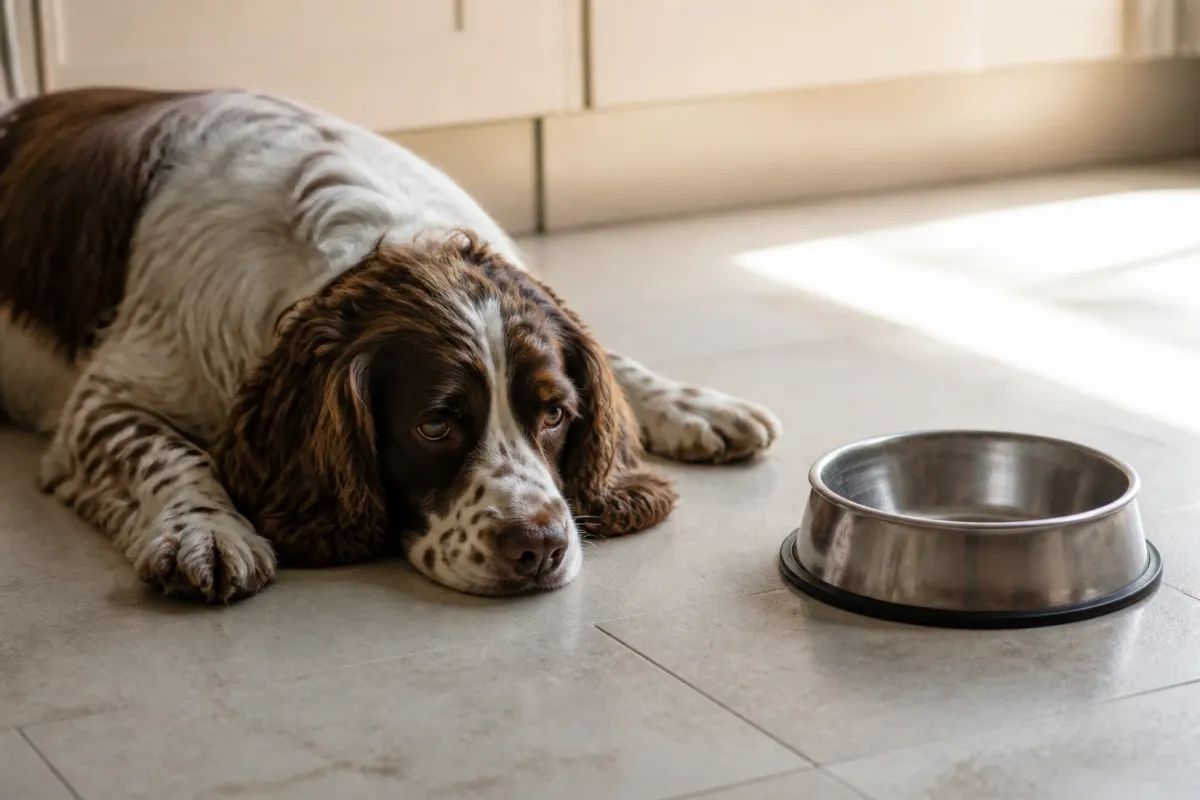
CBD may make a dog appear calmer by reducing alertness or activity, but that does not necessarily mean the underlying fear has improved.
CBD, or cannabidiol, is a compound derived from cannabis or hemp. Unlike THC, CBD does not produce the same intoxicating effect associated with marijuana. It can still affect alertness, digestion, liver enzymes, and the way other medicines work.
A dog may also seem calmer because of:
- Mild drowsiness
- Reduced movement during a stressful event
- Natural recovery after the trigger ends
- Owner expectations or placebo effects
- Changes in routine, training, or the environment
Sleepiness is not the same as treating anxiety.
Is CBD Safe for Dogs?
CBD is not risk-free, and no CBD product is FDA-approved for anxiety or any other use in dogs. The FDA says it cannot confirm the safety, effectiveness, dosage, or quality of marketed animal CBD products.
Possible concerns include:
- Sleepiness or changes in alertness
- Diarrhea, vomiting, drooling, or reduced appetite
- Agitation or unusual behavior
- Drug interactions
- Changes in liver-related blood tests
- Inconsistent CBD concentrations between products
- Contamination or unintended THC exposure
In a 28-day safety study, CBD was generally tolerated by healthy dogs. However, dogs given the highest tested dose had more gastrointestinal events and significantly higher alkaline phosphatase activity, a liver-associated blood marker.
Veterinary guidance is especially important if a dog:
- Takes seizure, anxiety, pain, heart, or other prescription medication
- Has liver or kidney disease
- Is pregnant or being used for breeding
- Is elderly or medically fragile
- Has unexplained behavior changes
Do not give a dog marijuana, THC products, or human cannabis edibles. If a dog develops marked lethargy, vomiting, agitation, tremors, heavy drooling, difficulty walking, or seizures after consuming a cannabis product, contact a veterinarian or emergency animal hospital immediately.
What Works Better for an Anxious Dog?
A veterinarian should first identify the cause of the anxiety and rule out pain, illness, cognitive decline, or another medical problem. Some owners pair training with natural ways to calm anxious dogs, such as a quiet den, predictable routines and pressure wraps, before adding any supplement.
Treatment commonly includes:
Behavior modification Counterconditioning and reward-based training can help a dog develop a more positive response to a trigger. Merck Veterinary Manual identifies behavior modification as a central part of treating fear and anxiety in dogs.
Environmental management Reduce exposure to triggers, provide a safe resting area, use background noise during storms or fireworks, and avoid forcing the dog into frightening situations.
Veterinary medication when appropriate Dogs with severe, frequent, or unpredictable anxiety may need maintenance medication or situational medication prescribed by a veterinarian. Medication works best alongside behavior modification.
Referral to a veterinary behaviorist A veterinary behaviorist can assess complex anxiety, aggression, separation problems, and noise phobias, then create a treatment plan.
Should You Try CBD for Your Dog's Anxiety?
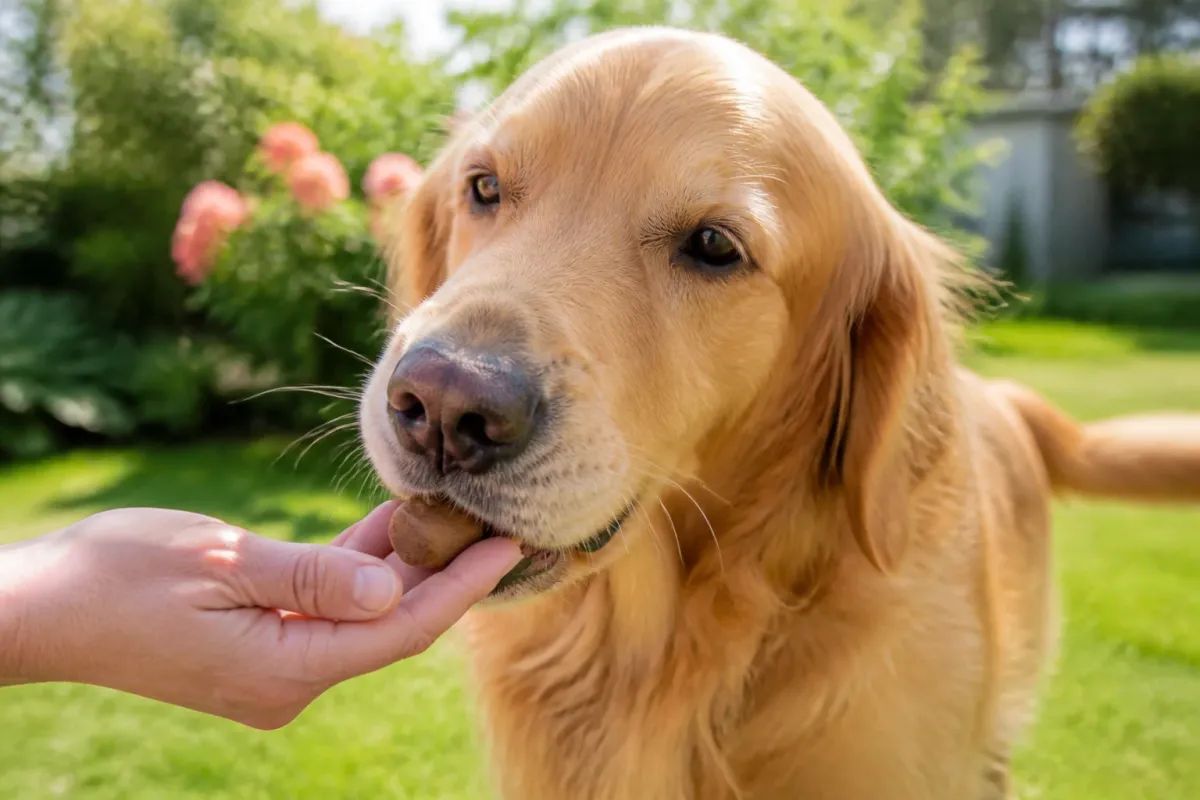
CBD is not the first treatment to choose for significant canine anxiety. The strongest controlled evidence does not show a reliable benefit for chronic anxiety, and product quality, dosing, drug interactions, and long-term safety remain concerns. If you and your vet decide a trial is worth it, calming chews for anxious dogs with a stated amount per chew are easier to track than a product that only says "hemp extract".
If you are considering CBD for a mild, occasional stressor, discuss the product and your dog's health history with a veterinarian first. For separation anxiety, noise phobia, panic, aggression, or worsening symptoms, arrange a veterinary assessment rather than relying on CBD alone.