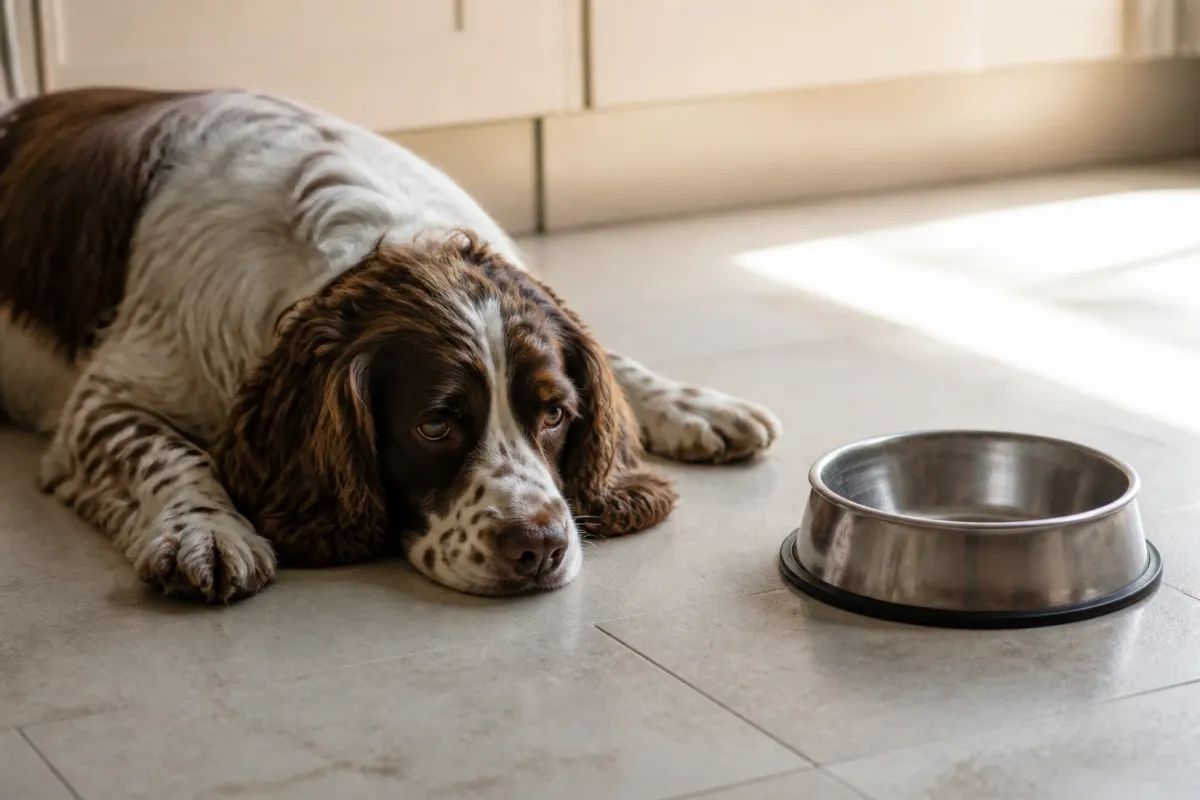
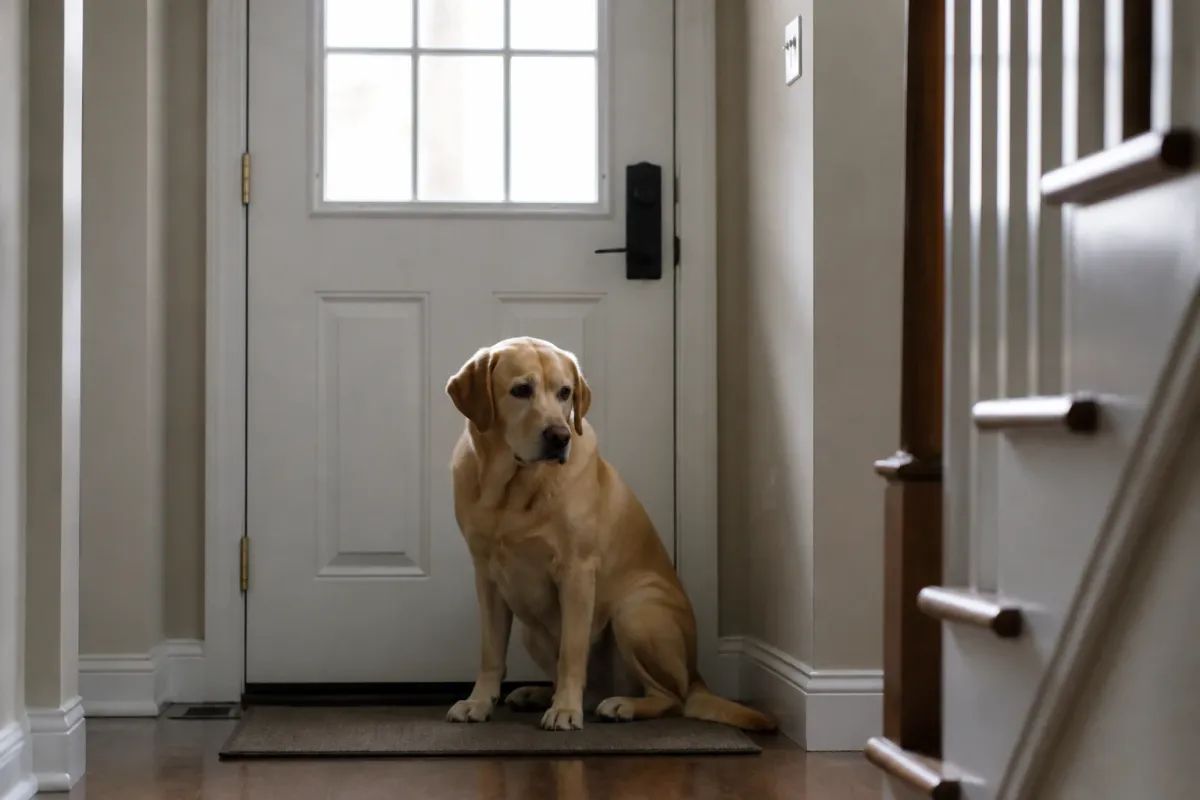
CBD oil is not a proven treatment for separation anxiety in dogs. It may reduce some short-term stress behaviors in some dogs, but current evidence is limited. A 2023 randomized, blinded study of 40 healthy dogs tested a single 4 mg/kg dose of THC-free CBD during a brief separation or car journey. The findings do not show whether CBD helps dogs with diagnosed separation anxiety during repeated, everyday absences.
CBD should be considered only as a possible veterinary-supervised addition to treatment. It should not replace behavior modification, environmental management or prescription medication when those treatments are needed.
CBD Oil for Dog Separation Anxiety: At a Glance
| Question | Evidence-based answer |
|---|---|
| Can CBD help? | Possibly. Some studies found fewer short-term stress behaviors, but reliable benefits have not been established. |
| Can CBD cure separation anxiety? | No. CBD does not replace graduated departure training or environmental management. |
| Is CBD approved for dogs? | No. The FDA has not approved cannabis or CBD products for animal use. |
| Should you try human CBD oil? | No. Human products may contain THC, incorrect CBD concentrations or ingredients that are unsafe for dogs. |
| What works best? | Veterinary diagnosis, behavior modification and, when appropriate, prescription treatment. |
What Does the Research Say About CBD and Separation Anxiety in Dogs?
The available studies are small and do not establish CBD as a treatment for canine separation anxiety.
In the 2023 study, 21 dogs underwent a short separation test and 19 dogs took a brief car journey. Dogs given one 4 mg/kg dose of THC-free CBD received lower ratings for some separation-related behaviors, including stress, tension and discomfort, than dogs given a placebo. The CBD group also whined less during the separation test.
The dogs were healthy and were not selected because they had diagnosed separation anxiety. The test also measured responses to one brief, controlled event. It did not measure repeated absences at home, which are central to separation anxiety.
A 2024 study involved only 10 healthy dogs. The dogs received either 2 mg/kg/day of CBD or a placebo for two weeks. Afterward, all the dogs vocalized more when temporarily separated from their caregivers. The CBD group had a smaller increase in vocalization, but the sample was too small and the outcome too narrow to show that CBD treats separation anxiety.
A systematic review of randomized veterinary trials also found limited evidence for CBD in canine behavior problems. Most of the stronger CBD research in dogs has examined osteoarthritis pain, not anxiety.
The practical conclusion is simple: CBD might reduce some signs of acute stress, but there is not enough evidence to use CBD oil as the main treatment for separation anxiety.
Why CBD Is Not a Complete Treatment
Separation anxiety, also called separation distress disorder, is a fear-based condition. Affected dogs may bark, whine, pace, destroy doors or windows, soil the house, pant, drool or fail to settle when left alone.
CBD may reduce visible arousal in some dogs. It does not teach a dog that being alone is safe. Treatment usually includes:
- Preventing absences that trigger panic while training is underway.
- Using a camera to find out when distress begins.
- Practicing very short departures that stay below the dog's anxiety threshold.
- Increasing alone time gradually.
- Pairing calm, independent behavior with high-value food or enrichment.
- Using positive reinforcement instead of punishment.
Graduated departure training can take weeks or months, especially when a dog has moderate or severe separation distress.
Is CBD Oil Safe for Dogs?
CBD is not risk-free, and product quality varies.
The FDA has not approved cannabis for any use in animals. It also cannot guarantee the safety, effectiveness, quality or stated dose of marketed animal CBD products. The FDA recommends discussing treatment options with a veterinarian.
In one six-month controlled study, healthy dogs received 4 mg/kg of CBD once daily. The dogs tolerated the research dose, but slightly more than half of the CBD-treated dogs developed a temporary increase in alkaline phosphatase, a liver-associated blood value. This does not prove that CBD caused clinically significant liver disease. It does show why longer-term use may require veterinary monitoring. The study dose is not a dosing recommendation.
Possible concerns include:
- Sleepiness or gastrointestinal upset.
- Changes in liver-related blood values.
- Interactions with prescription medicines.
- THC contamination or inaccurate labeling.
- Delayed diagnosis if CBD is used instead of investigating the behavior.
Laboratory research using canine liver enzymes found that CBD could affect how some medicines are metabolized, including tramadol. The clinical importance depends on the drug, dose and individual dog. A veterinarian should review every medication and supplement your dog takes before you use CBD.
Never Give a Dog a THC-Containing Cannabis Product
THC is toxic to dogs. Exposure can cause lethargy, incoordination, vomiting, trembling, urinary incontinence, agitation and changes in body temperature. Full-spectrum, hemp-derived and human cannabis products may contain THC even when they are marketed as natural.
Avoid:
- Marijuana or cannabis oil.
- THC edibles.
- Human gummies or tinctures.
- Products without an independent certificate of analysis.
- Products with unclear CBD or THC concentrations.
- CBD products containing ingredients that are unsafe for dogs.
If your dog has eaten cannabis or a THC product, contact a veterinarian or animal poison-control service promptly. Seek help particularly quickly if the dog is wobbly, unusually sleepy, vomiting, trembling or incontinent.
What Treatment Is More Reliable Than CBD Oil?
A veterinarian should first determine whether the behavior is separation anxiety or another problem, such as confinement anxiety, boredom, incomplete house-training, noise sensitivity, pain or another medical condition. Video of the dog while alone can help with diagnosis. Many owners also find that natural dog calming aids such as a safe space, a worn item of clothing and a departure routine do more than any supplement.
Behavior modification is the foundation of treatment. For moderate or severe cases, a veterinarian may also prescribe medication to reduce anxiety enough for the dog to learn during training.
In the United States, fluoxetine and clomipramine are approved for canine separation anxiety when used with a behavioral management plan. On May 6, 2026, the FDA also approved Tessie, a tasipimidine oral solution, for noise aversion and separation anxiety in dogs.
| Treatment | Main role | When it may be appropriate |
|---|---|---|
| Graduated departure training | Changes the dog's response to being alone | Nearly every case |
| Environmental management | Prevents repeated panic and injury | During the training period |
| Prescription medication | Reduces anxiety so the dog can learn | Moderate, severe or persistent cases |
| CBD oil | Possible addition with uncertain benefit | Only after veterinary review |
Should You Give Your Dog CBD Oil for Separation Anxiety?
Do not make CBD oil your first treatment choice. If your veterinarian agrees CBD is worth adding to the plan, you can browse calming support for dogs with separation anxiety and compare the CBD amount and ingredient lists before deciding.
Start with a veterinary assessment and a structured, gradual departure plan. Contact your veterinarian or a board-certified veterinary behaviorist if your dog panics within minutes, damages doors or windows, injures itself, soils the home despite being house-trained or cannot remain alone.
CBD may reduce some short-term stress behaviors, but the current evidence does not show that it reliably treats separation anxiety. A diagnosed behavior problem needs a behavior plan, with prescription medication when appropriate.