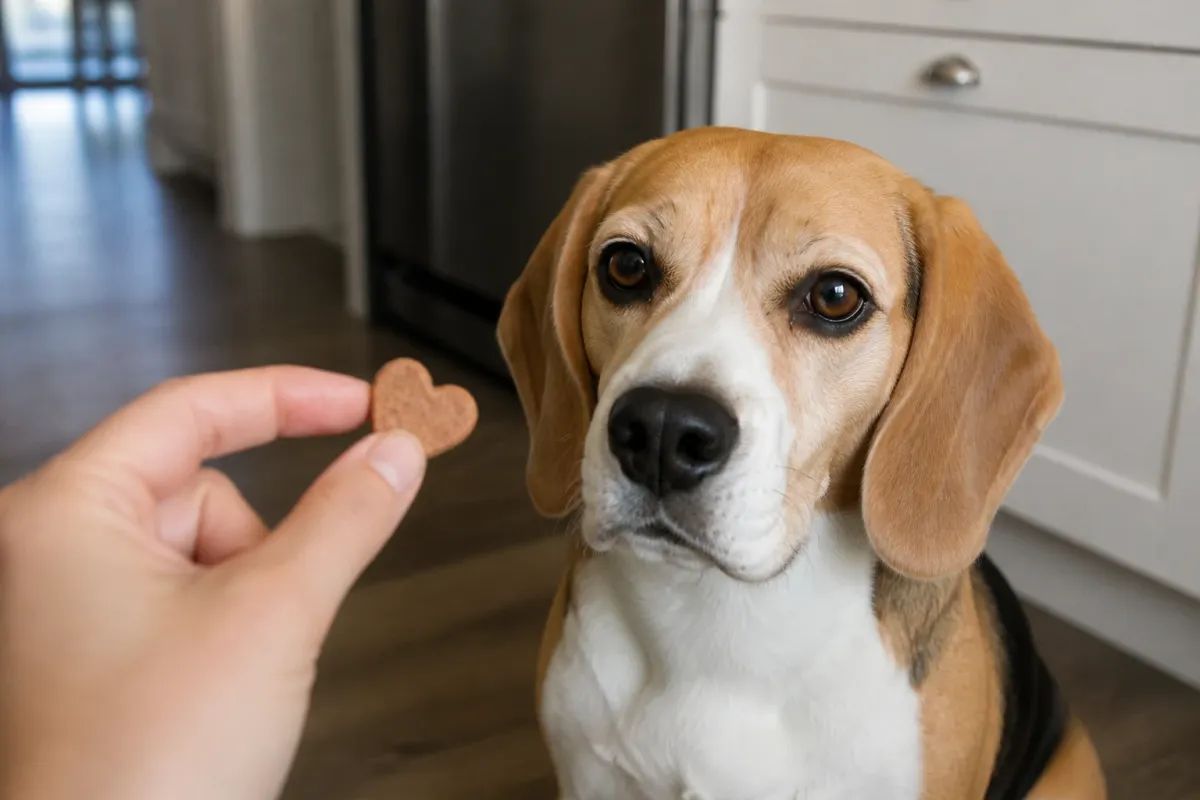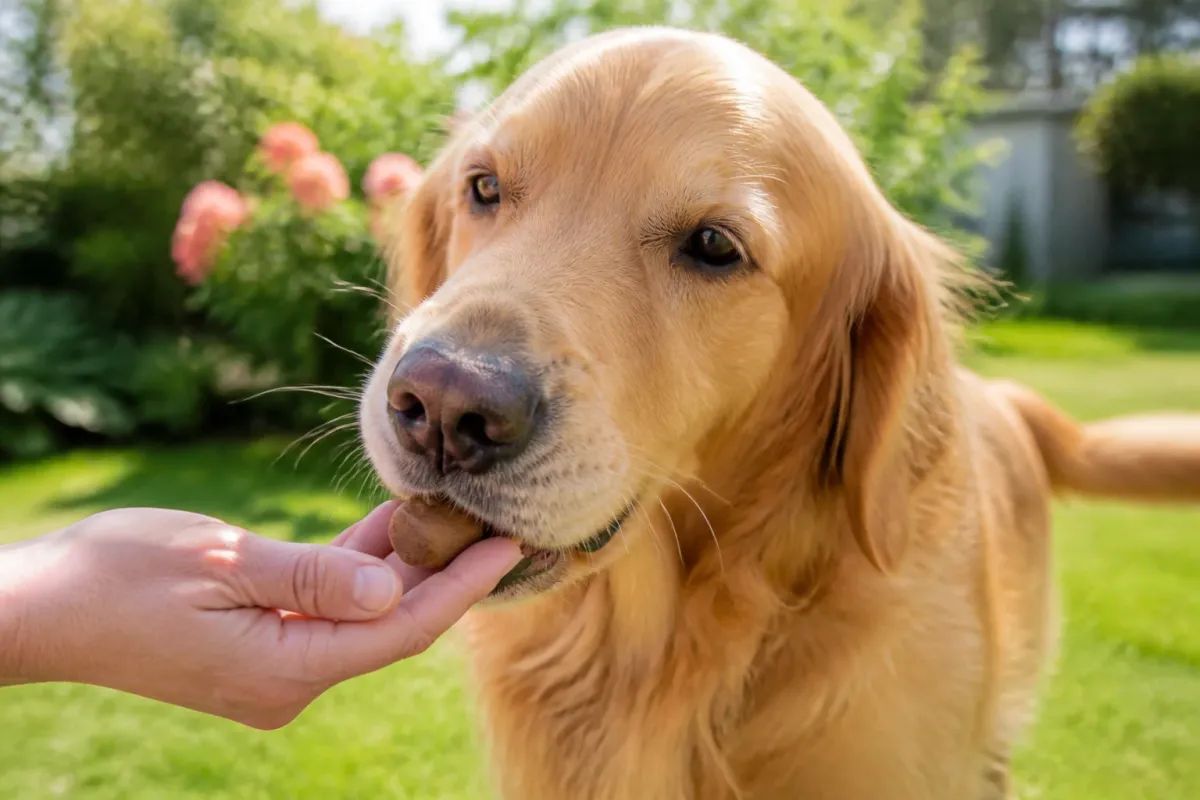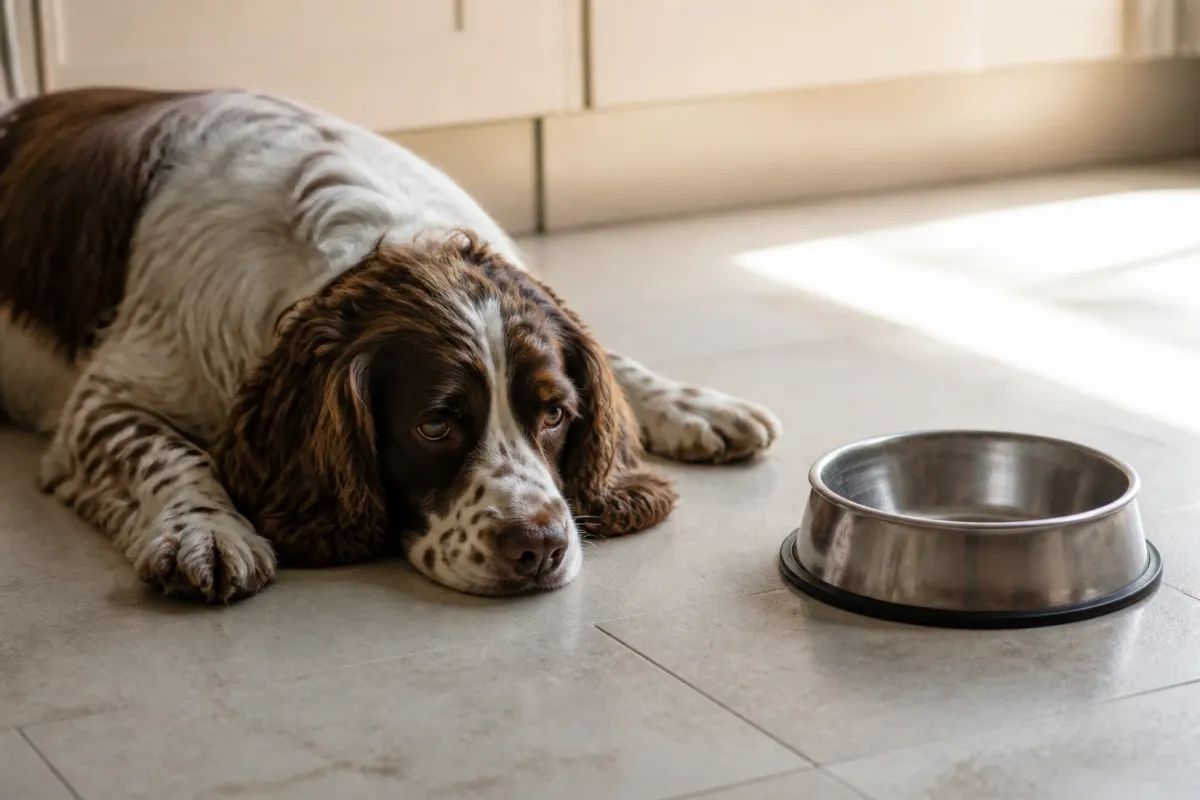

CBD oil is not a reliably proven treatment for dogs with fireworks anxiety, and it should not be your first choice for severe fear. A small controlled study found no reduction in fearful behavior or cortisol after dogs received CBD for 7 days while exposed to recorded fireworks. A veterinary review also found no evidence of an anti-anxiety effect in that study.
For severe fear, ask your veterinarian about a noise-aversion plan. As of May 6, 2026, the FDA had approved Sileo for noise aversion and Tessie for noise aversion and separation anxiety in dogs.
CBD Oil for Fireworks Anxiety: At a Glance
| Question | Practical answer |
|---|---|
| Does CBD calm every dog? | No. Research does not show a reliable benefit for fireworks-related fear. |
| Is CBD approved for treating anxiety in dogs? | No. The FDA has not approved cannabis products for any use in animals. |
| Is CBD risk-free? | No. Products may cause vomiting, diarrhea, lethargy or other adverse effects. Some may contain THC or inaccurate amounts of CBD. |
| Should you try it during a fireworks event? | Do not give it for the first time during a crisis or combine it with medication without veterinary advice. |
| What works better for severe fear? | Veterinary assessment, a planned noise-aversion treatment and environmental management. |
What Does the Research Say About CBD and Fireworks?
The most directly relevant study found no reliable benefit from CBD. Dogs heard a recorded fireworks soundtrack after receiving CBD for 7 days, either alone or alongside trazodone. CBD did not reduce inactivity, cortisol or the main behavioral signs of fear. The researchers concluded that the results did not support an anti-anxiety effect at the dose studied.
That result does not prove CBD can never affect an individual dog. It does mean that owners should not assume CBD oil will stop trembling, panting, pacing, hiding or escape attempts.
A survey of veterinarians reported perceived benefits for some dogs with anxiety, storms or fireworks phobia. But the survey measured professional experience. It did not prove that CBD caused the improvement.
Is CBD Oil Safe for Dogs?
CBD oil is not automatically safe because it is marketed as "natural." The FDA says it has not approved cannabis for use in animals and cannot verify the safety, effectiveness, correct dosage or drug interactions of unapproved animal CBD products.
The main risks are:
- Uncertain product quality: Pet CBD products are not regulated like approved veterinary medicines. The labeled CBD concentration may be inaccurate, and products may contain THC or other unwanted ingredients.
- Side effects: Dogs can develop vomiting, diarrhea, lethargy, drooling, agitation, tremors or other signs after cannabis-related exposure. THC is more dangerous and can cause incoordination, urine dribbling, an abnormal heart rate or severe sedation.
- Drug interactions: CBD is processed through liver enzyme pathways that can affect some medicines. This matters if your dog takes seizure medication, sedatives, pain medication or other prescription drugs.
- No established fireworks-anxiety dose: There is no FDA-approved CBD dosage for canine noise aversion. Manufacturer instructions are not a substitute for veterinary guidance.
Never give a dog a cannabis product that contains THC. Keep human cannabis edibles, tinctures and vape products locked away from pets.
What Should You Do If Your Dog Is Scared of Fireworks?
Use a quiet indoor space, prepare before the fireworks begin and contact your veterinarian about medication if your dog has severe fear. For mild cases, some owners try calming chews for fireworks season a few hours before the display, with their vet's approval, alongside a quiet, closed-off room.
Create a Safe Indoor Space Before the Fireworks Begin
Place your dog in a familiar room away from windows. Close the curtains and windows. Use white noise, television or calming music, and provide a bed or covered hiding place.
Only use a crate if your dog already sees it as a safe place. Cornell Veterinary Medicine also recommends keeping dogs indoors, using a leash for necessary outdoor trips and checking that identification and microchip details are current. Frightened dogs may try to escape.
Offer a stuffed food toy or long-lasting chew if your dog is willing to eat. Do not punish barking, hiding or shaking. Punishment can increase distress.
Ask Your Veterinarian About Medication for Severe Fear
If your dog panics, tries to escape, injures itself or stays distressed for hours, supplements are unlikely to be enough.
In the United States, Sileo, a dexmedetomidine oromucosal gel, is FDA-approved for noise aversion in dogs. Tessie, a tasipimidine oral solution, is FDA-approved for noise aversion and separation anxiety in dogs. Your veterinarian must decide whether either medicine is suitable because your dog's health conditions, age and other medicines affect safety.
Veterinarians may also prescribe other medicines off-label, depending on the dog's needs. Ask about treatment well before the expected fireworks. Try any prescribed medicine on a quiet day, not for the first time during the event.
Begin Desensitization Before Fireworks Season
Gradually play fireworks recordings at a very low volume while giving your dog food. The volume must stay low enough for the dog to remain relaxed. Increase it slowly over multiple sessions.
If your dog starts panting, pacing, hiding or refusing food, lower the volume and slow the training down.
Desensitization is a long-term training plan. It is not a dependable emergency treatment once a dog is already panicking.
What If You Already Gave Your Dog CBD Oil?
Do not give another dose or add a sedative, sleep aid or prescription anxiety medicine without speaking to your veterinarian.
Watch for vomiting, diarrhea, extreme sleepiness, stumbling, drooling, agitation, tremors, seizures or urine dribbling.
If the product contained THC, your dog consumed a large amount, the label is unclear or symptoms are developing, contact your veterinarian or an animal poison service promptly. Do not induce vomiting unless a veterinary professional specifically tells you to do so.
Bottom Line
CBD should not be the default treatment for fireworks fear. For mild fear, start with early preparation and a quiet indoor space. If your dog panics, tries to escape or injures itself, speak to your veterinarian before the next event about medication and behavior work.