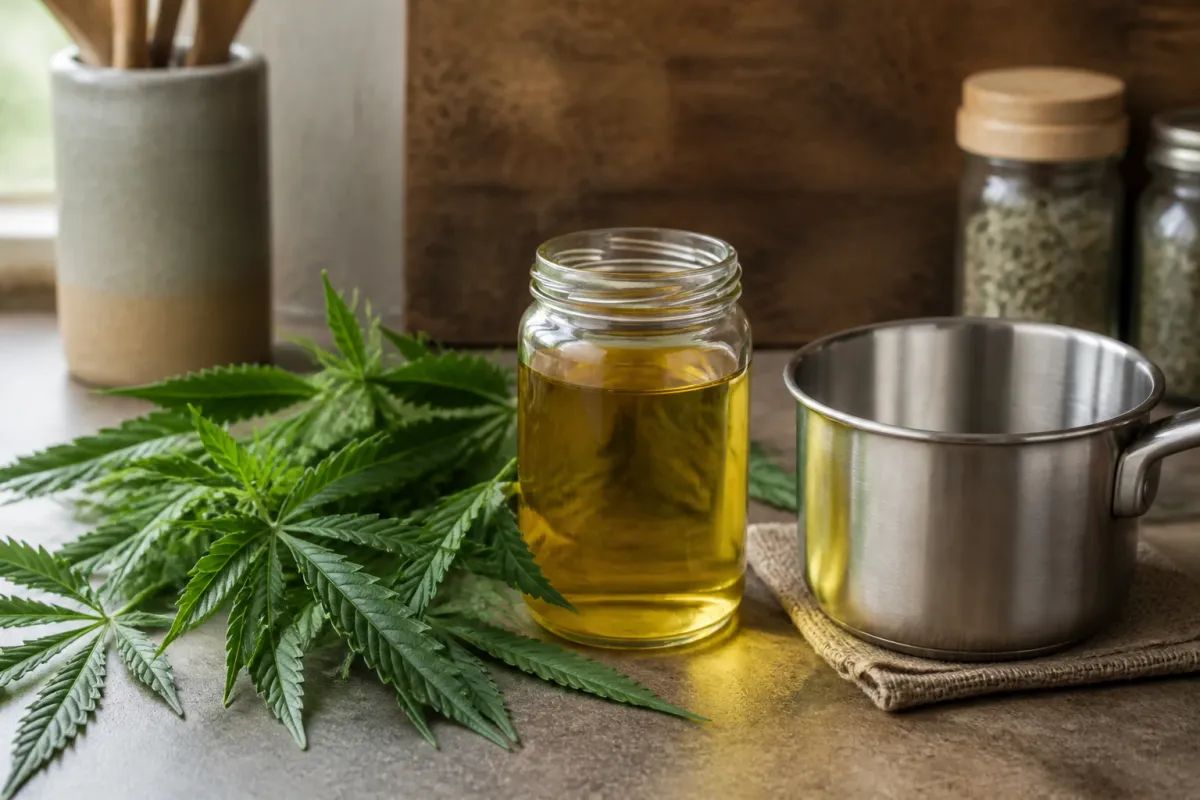
You should not make CBD oil for a dog at home. Homemade CBD oil cannot reliably confirm the CBD concentration, remove THC, or test for pesticides, heavy metals, solvents and other contaminants.
The U.S. Food and Drug Administration has not approved cannabis or CBD products for use in animals and cannot confirm their safety or effectiveness. Research in dogs is also limited. In one six-month study of 20 healthy dogs, 11 dogs given a THC-free CBD preparation developed elevated alkaline phosphatase levels. Those levels moved back toward baseline after the CBD was stopped.
CBD Oil for Dogs at a Glance
| Question | Safe answer |
|---|---|
| Can I extract CBD from hemp at home? | No. The final CBD and THC concentrations will be unpredictable. |
| Can I use hemp seed oil instead? | No. Hemp seed oil is not a reliable source of CBD. |
| Is human CBD oil suitable for dogs? | Not automatically. It may contain THC, xylitol, alcohol, flavorings or other unsuitable ingredients. |
| Is there one correct CBD dose for every dog? | No. The amount depends on the dog, product concentration, health condition and medications. |
| What should I use instead? | A veterinarian-reviewed product with a stated CBD concentration and independent laboratory testing. |
Why Homemade CBD Oil Is Risky for Dogs
Making CBD oil at home creates several safety problems:
- Unpredictable potency: The amount of CBD depends on the plant variety, plant part, extraction method and processing temperature.
- Possible THC exposure: THC is toxic to dogs. Homemade preparations cannot reliably prove that THC has been removed.
- Contamination risk: Hemp may contain pesticides, heavy metals, mold or other contaminants. Home extraction does not provide laboratory quality control.
- Unsafe ingredients: Alcohol, essential oils, concentrated flavorings and some sweeteners can harm dogs.
- Medication interactions: CBD is metabolized by liver enzymes that may also process veterinary medicines, creating a risk of drug interactions.
A homemade oil may look simple, but you cannot treat it as a measured veterinary preparation.
Hemp Seed Oil Is Not the Same as CBD Oil
Hemp seed oil comes from hemp seeds and is primarily a dietary oil. It is not a predictable source of CBD.
CBD oil comes from cannabinoid-containing parts of the hemp plant and should state the CBD concentration in milligrams. A label that only says "hemp oil" does not confirm how much CBD the product contains.
What to Do Instead of Making CBD Oil
1. Speak With Your Veterinarian First
Discuss why you are considering CBD, whether that is arthritis discomfort, anxiety or seizures. CBD should not replace a diagnosis or proven treatment. A vet-approved, lab-tested product from the range of ready-made natural dog calming supplements removes the guesswork that a homemade oil cannot.
Veterinary advice is particularly important if your dog:
- Takes phenobarbital, gabapentin, steroids, heart medication or another prescription drug
- Has liver or kidney disease
- Is pregnant or nursing
- Has a history of seizures
- Is elderly, very small or medically fragile
The study described above used one specific THC-free CBD preparation at a controlled research dose. Its findings do not establish a safe dose for every dog or show that homemade CBD oil is safe.
2. Choose a Product With Measurable Information
If your veterinarian agrees that CBD is appropriate, look for:
- A precise CBD amount in milligrams per milliliter
- A batch-specific certificate of analysis from an independent laboratory
- A laboratory result showing the THC level
- A complete ingredient list
- No xylitol, alcohol, essential oils or unnecessary stimulant ingredients
- Packaging that prevents accidental ingestion
- Clear instructions for measuring the liquid
Avoid products that only say "hemp extract," hide the CBD amount in a proprietary blend or claim to cure cancer, seizures, anxiety or pain.
3. Check the CBD Concentration
Use this calculation to understand the product label:
CBD concentration = total CBD in the bottle ÷ total liquid volume
For example:
- 600 mg of CBD in a 30 mL bottle
- 600 ÷ 30 = 20 mg of CBD per mL
This tells you the product's concentration. It does not tell you how much your dog should receive. Your veterinarian must determine the amount and frequency.
Use an oral syringe instead of counting drops because drop size varies between droppers.
Do Not Add CBD to Homemade Dog Treats
Mixing CBD into peanut butter, food or homemade treats does not solve the dosing or contamination problems. It can also make it difficult to know whether your dog consumed the full amount.
Never use a human edible or flavored CBD product unless a veterinarian has checked every ingredient. Human products may contain xylitol, chocolate, caffeine, high levels of THC or other substances that are dangerous to dogs.
Signs That a CBD or Cannabis Product May Be Harming Your Dog
Contact a veterinarian if your dog develops:
- Vomiting or diarrhea
- Heavy drooling
- Marked sleepiness or depression
- Loss of coordination or wobbliness
- Tremors
- Agitation
- Urinary incontinence
- Seizures
The FDA lists lethargy, depression, drooling, vomiting, agitation, tremors and convulsions as possible signs after cannabis exposure. Severe symptoms require an emergency veterinary hospital or animal poison control center.
Do not induce vomiting unless a veterinarian or animal poison professional specifically tells you to do so.
Bottom Line
Do not make CBD oil for your dog at home. The CBD concentration, THC content and contamination level cannot be reliably controlled. If your veterinarian recommends considering CBD, use a product with a clearly stated concentration, independent testing and professional dosing instructions.