
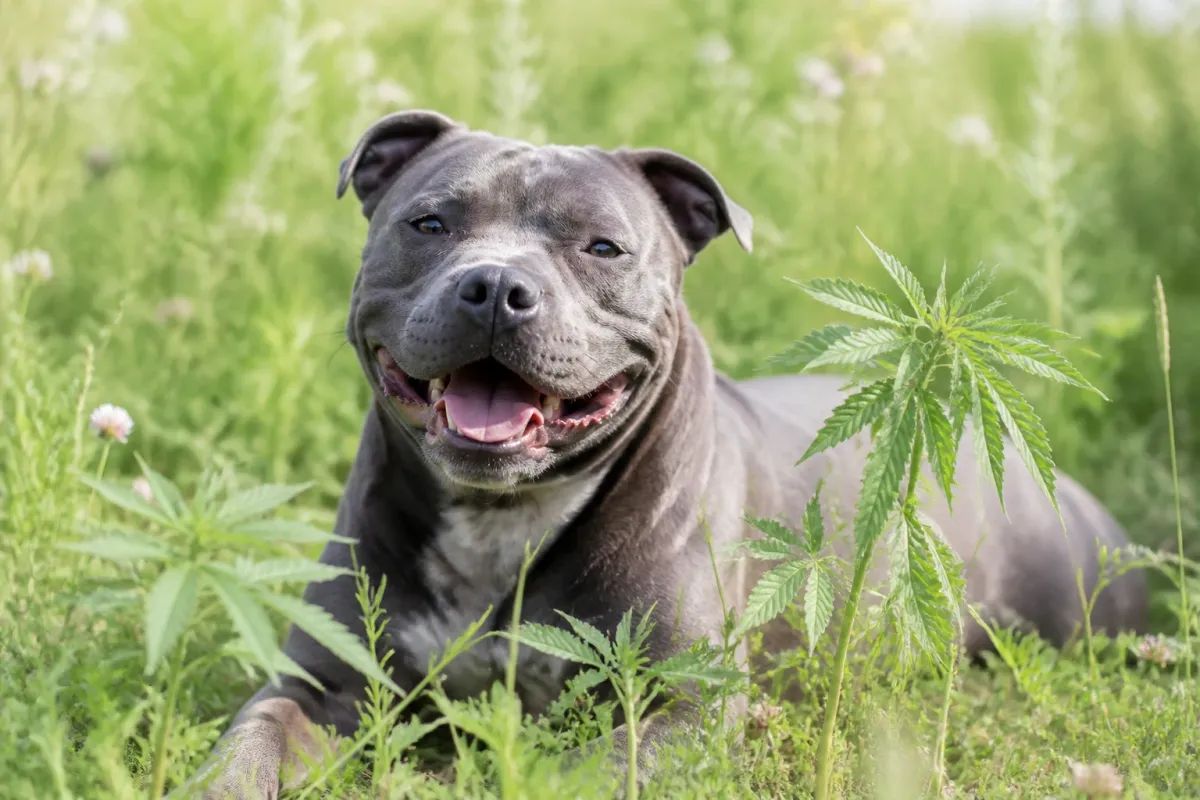
CBD for dogs is cannabidiol, a compound from the cannabis plant that is commonly sold in pet oils, chews and treats. CBD is not the cannabinoid responsible for the "high" associated with marijuana. That effect comes mainly from THC, which can be toxic to dogs.
CBD and THC are two different cannabis compounds. One 2023 study included 51 dogs, but research overall remains limited.
In the United States, the FDA has not approved cannabis or CBD products for treating animals. It also cannot confirm the safety, effectiveness or quality of products marketed for pets. A veterinarian should be involved before you give CBD to a dog.
CBD for Dogs at a Glance
| Question | Short answer |
|---|---|
| What is it? | Cannabidiol, or CBD, from cannabis or hemp |
| Does it get dogs high? | Pure CBD is not the main intoxicating compound, but products may contain THC |
| Why do owners use it? | Usually for pain, arthritis, seizures or anxiety |
| Does it work? | Some studies suggest possible benefits, but the evidence is still limited |
| Is it FDA-approved for dogs? | No |
| Can it be dangerous? | Yes, especially if the product contains THC, has an inaccurate label or interacts with medication |
How Is CBD Different from THC?
CBD and THC are different cannabis compounds.
- CBD, or cannabidiol, is used in pet products for its possible therapeutic effects.
- THC, or delta-9-tetrahydrocannabinol, is intoxicating and can poison dogs.
- THC toxicity can cause lethargy, poor coordination, vomiting, drooling, tremors, urinary incontinence, changes in heart rate and abnormal body temperature.
Do not give a dog marijuana, cannabis flower, THC edibles or human cannabis products. Human gummies and baked goods may also contain chocolate, xylitol or other ingredients that are dangerous to dogs.
What Might CBD Help Dogs With?
Research in dogs has mainly examined CBD for osteoarthritis pain and drug-resistant epilepsy. CBD is also marketed for anxiety, although the evidence for that use is weaker.
Osteoarthritis and Chronic Pain
Small canine studies have reported improvements in activity or owner-rated pain after CBD treatment. A systematic review found that the evidence for reducing osteoarthritis pain was very uncertain because the studies involved few dogs, different products and a high risk of bias.
CBD may have a place as a veterinary-supervised supplement, but it has not been established as a replacement for standard arthritis treatment.
Seizures
The 2023 double-blind crossover study found that one CBD treatment regimen reduced total seizures and seizure days compared with a placebo. It also found increased liver enzyme activity. CBD did not produce a significant difference in the number of dogs achieving at least a 50% reduction in seizures.
CBD should not replace prescribed anti-seizure medication. A veterinarian may need to monitor liver enzymes and adjust the dog's treatment.
Anxiety
CBD is widely marketed for separation anxiety, noise phobia and general nervousness. The available canine evidence is not strong enough to establish CBD as a reliable anxiety treatment.
A dog with new or severe anxiety should first be assessed for pain, illness, behavioural problems and environmental triggers.
Is CBD Safe for Dogs?
CBD is not risk-free, and safety depends on the product, amount, dog's health and other medications.
Studies in dogs have generally reported mild short-term side effects, including:
- Vomiting or soft stools
- Reduced appetite
- Drowsiness or gastrointestinal upset
- Increased alkaline phosphatase, an enzyme that may require follow-up testing
- Possible interactions with medicines processed by liver enzymes
Longer-term studies have also found increases in alkaline phosphatase in dogs given CBD. An elevated result does not automatically prove liver damage, but it is one reason veterinary monitoring may be appropriate.
CBD products can vary in concentration and may have limited regulatory oversight. The same labeled dose may not represent the same actual amount of CBD or THC across different products.
How Should Owners Approach CBD for a Dog?
Owners should discuss the specific reason for using CBD with a veterinarian before starting it. A good starting point is to compare natural dog calming supplements with published testing on the CBD amount per serving and whether a batch certificate is published.
- Ask about the condition being treated. Pain, seizures and anxiety can have different causes and treatments.
- Provide a complete list of medications and supplements. CBD may affect how some medicines are processed.
- Do not use human CBD gummies, baked goods or marijuana products.
- Do not guess the dose. Research doses are not universal instructions because studies use different formulations, concentrations and delivery methods.
- If the veterinarian agrees to a trial, choose a product that clearly states the CBD amount and provides independent batch testing for THC and contaminants.
- Stop and contact the veterinarian if the dog develops vomiting, marked sleepiness, poor coordination, tremors or other unusual signs.
What Should You Do If a Dog Eats a THC or Cannabis Product?
Contact a veterinarian or emergency animal hospital immediately, especially if the dog is unsteady, very sleepy, vomiting, trembling, having trouble breathing or experiencing seizures.
The ASPCA Animal Poison Control Center can be reached at (888) 426-4435.
Bottom Line
CBD may have a role in some veterinary treatment plans, but it is not an FDA-approved animal treatment or a proven cure for arthritis, seizures or anxiety. Ask a veterinarian before using it, particularly if the dog takes medication, has liver disease or could have access to a product containing THC.