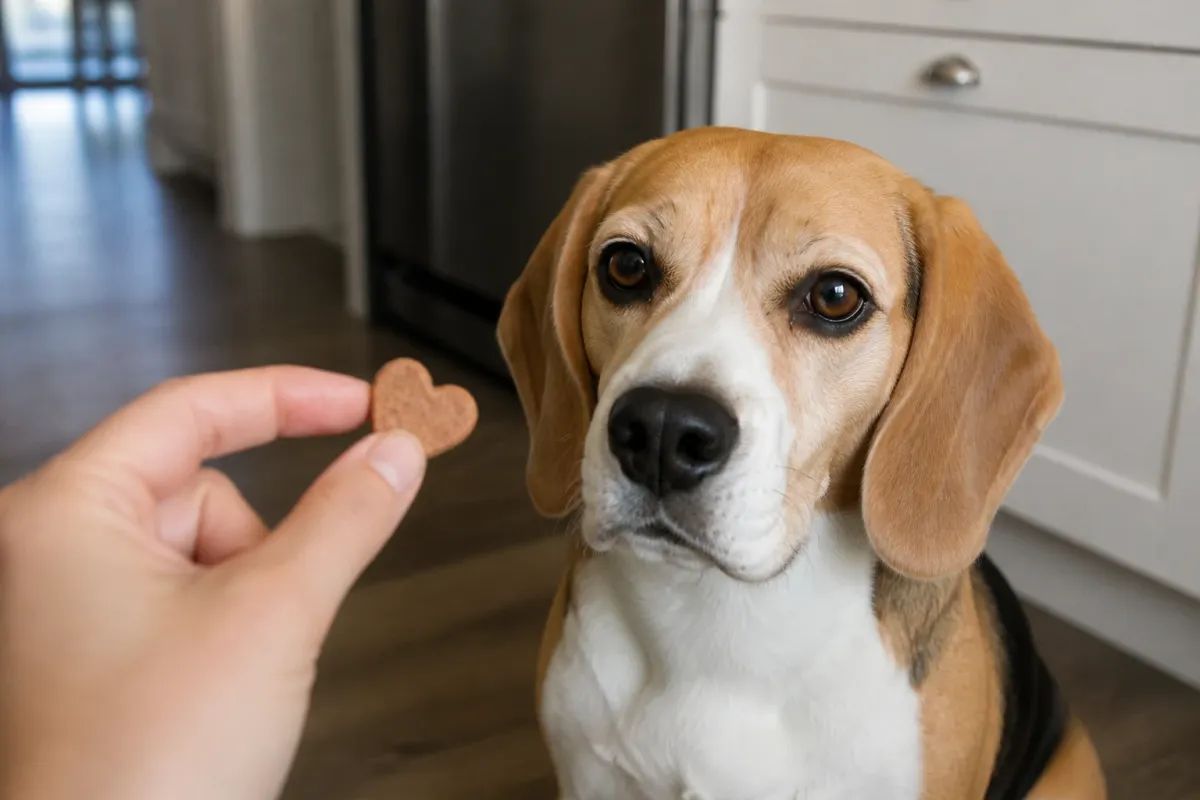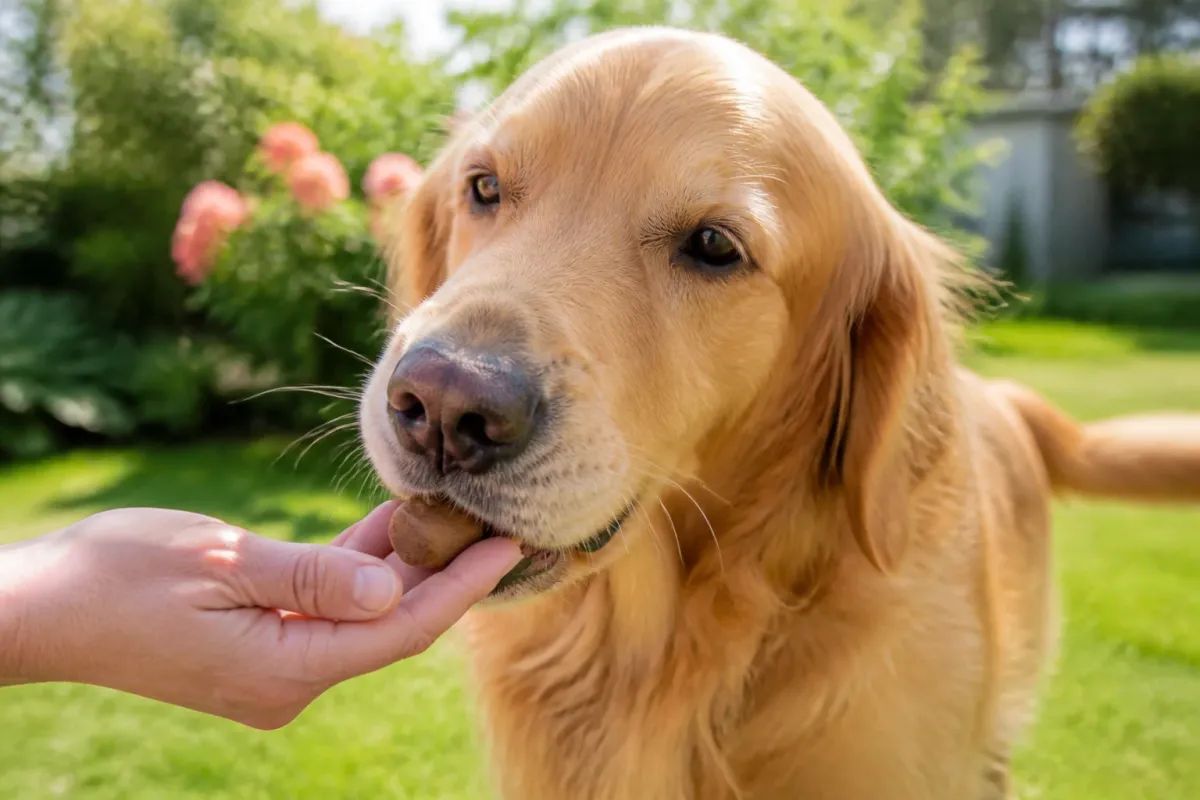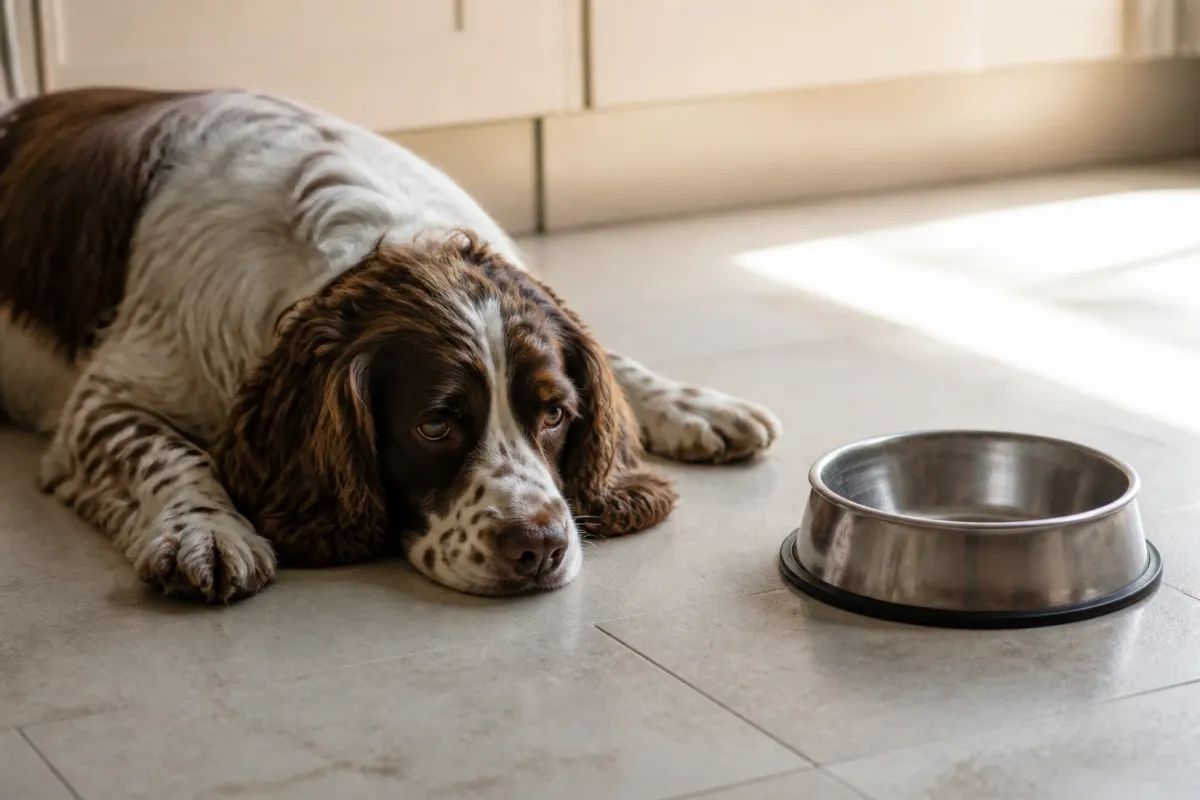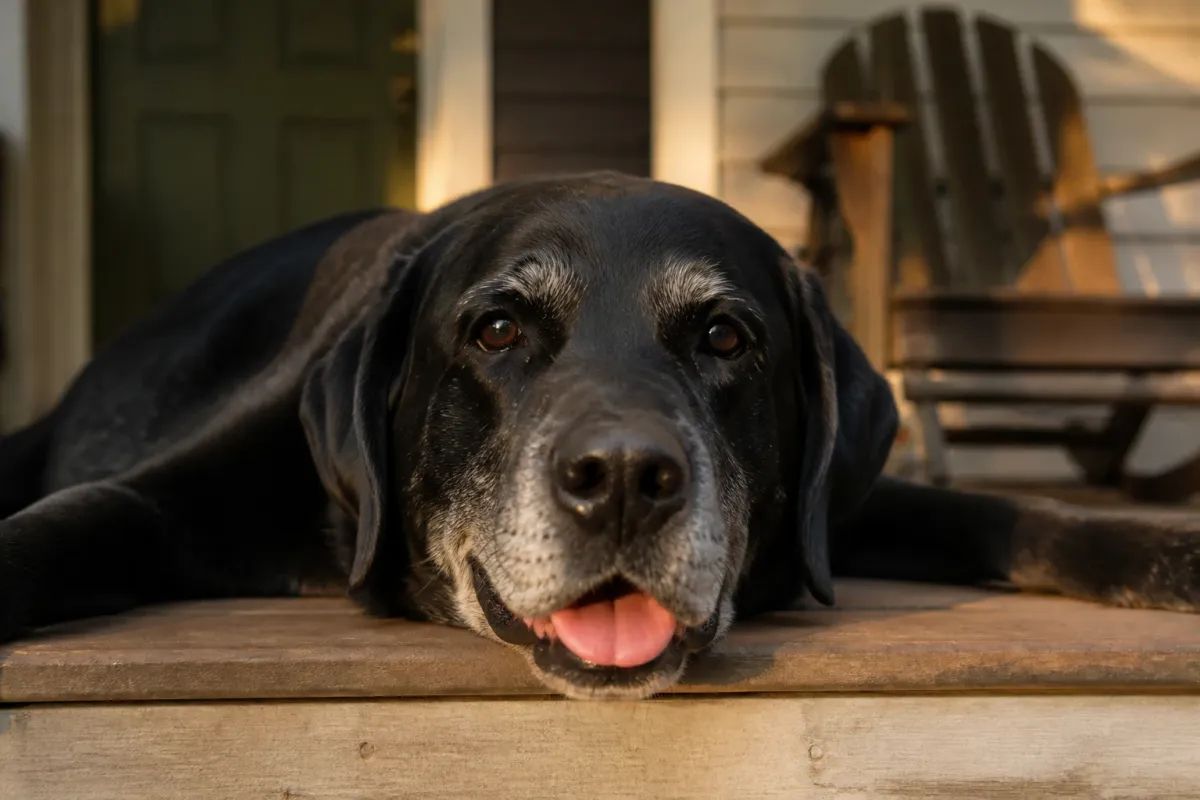
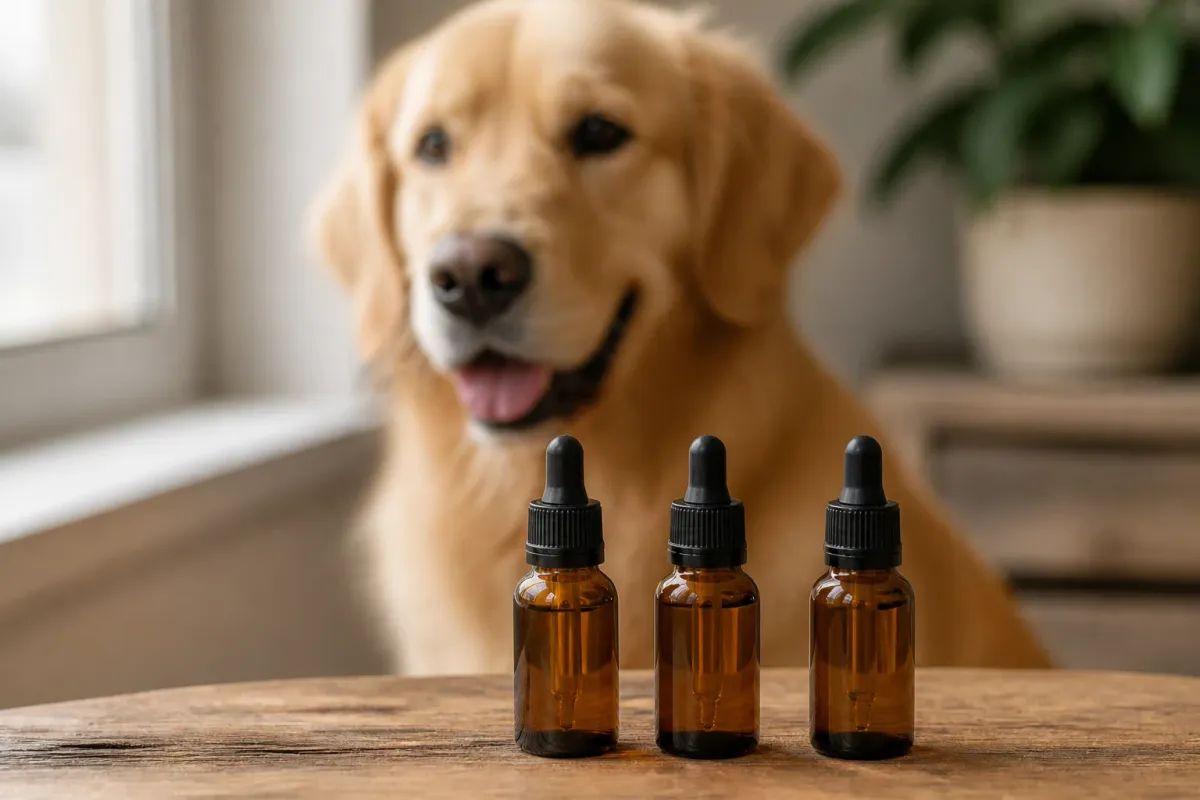
ElleVet CBD + CBDA Oil is the strongest overall CBD oil choice for dogs whose owners decide to try CBD with veterinary guidance. It has the strongest product-specific case for dogs with joint discomfort or mobility problems because ElleVet says its oil uses the same CBD + CBDA blend used in its clinical trials, provides measured dosing and comes with batch-specific Certificates of Analysis (COAs). Displayed prices ranged from $79 to $249 when checked on September 25, 2026.
No CBD oil is FDA-approved for use in dogs. The FDA says it has not approved cannabis for any animal use and cannot confirm the safety or effectiveness of cannabis products marketed for pets. Speak with your veterinarian before giving CBD to your dog.
Best CBD Oil for Dogs at a Glance
| Product | Best for | Key strengths | Main limitation |
|---|---|---|---|
| ElleVet CBD + CBDA Oil | Dogs with joint discomfort or mobility problems | Product-specific clinical research, 70 mg CBD + CBDA per mL, measured syringe dosing and batch COAs | Expensive and contains THC |
| Veterinarian-approved broad-spectrum CBD oil | Owners who want minimal or non-detectable THC | May suit dogs that should avoid THC | Requires careful review of independent batch testing |
| Human CBD oil | Not recommended | Easy to find | May contain unsuitable ingredients, inaccurate dosing or THC |
ElleVet's current dog oil contains 70 mg of CBD plus CBDA per mL, along with MCT oil and organic lecithin. The company lists 15 mL, 30 mL and 60 mL sizes.
Why ElleVet CBD + CBDA Oil Ranks First
The oil is linked to relevant canine research
A Cornell University study examined a CBD-enriched oil in dogs with osteoarthritis. The randomised, placebo-controlled crossover study found lower pain scores and increased activity in dogs receiving the oil. Veterinary assessments also found reduced pain. The dogs received the oil every 12 hours for four weeks.
The study also found an increase in alkaline phosphatase, a liver-related enzyme, during CBD treatment. That result does not prove the oil caused liver damage, but it supports veterinary supervision and appropriate monitoring.
ElleVet says its current CBD + CBDA Oil uses the same blend as the oil in its clinical trials. That gives the product a stronger evidence case than a generic CBD oil that has not been studied in dogs.
Liquid dosing allows smaller adjustments
ElleVet's oil comes with a syringe or dropper. A veterinarian can adjust a liquid dose more closely than a chew with a fixed amount of CBD.
The label lists approximately 70 mg of CBD and CBDA per mL. It separates the cannabinoid concentration from the total amount of proprietary hemp oil, which makes the product easier to compare with other oils.
The company provides batch-specific COAs
A Certificate of Analysis should show the contents of a particular batch, including cannabinoid concentrations and THC levels. ElleVet provides instructions for finding the COA that matches the batch number on the bottle.
This matters because cannabinoid concentrations can vary between products and batches. A label alone does not confirm that a bottle contains the stated amount.
The Main Limitation: ElleVet Contains THC
ElleVet is a full-spectrum product, so it contains other cannabinoids, including THC. A published COA for one ElleVet oil batch reported:
- CBD: 34.565 mg/mL
- CBDA: 33.033 mg/mL
- Delta-9 THC: 1.837 mg/mL
- THCA: 0.935 mg/mL
- Total CBD: 6.614% by weight
- Total THC: 0.277% by weight
ElleVet should not be described as THC-free. If your veterinarian wants a product with no detectable THC, choose a broad-spectrum or isolate oil only after checking an independent COA for the exact batch.
THC is a greater concern for dogs than CBD. The FDA lists possible signs of cannabis exposure in pets, including lethargy, depression, excessive drooling, vomiting, agitation, tremors and convulsions.
What Makes a Good CBD Oil for Dogs?
Use this checklist when you compare hemp oil options for dogs so that the product you choose can actually be dosed and verified.
If your veterinarian recommends trying CBD, check for these features:
A dog-specific formula Do not assume that a human tincture is suitable for dogs.
A stated CBD amount The label should give the CBD concentration in milligrams per mL, not only describe the product as "hemp extract."
A batch-specific COA The COA should match the batch number on the bottle and list CBD, CBDA, THC and other cannabinoids.
Independent laboratory testing Testing should confirm potency and screen for contaminants.
Full ingredient disclosure Avoid blends that hide the amount of CBD or contain ingredients your veterinarian has not approved.
A syringe or measured dropper Measured dosing is safer than estimating drops from an unmarked bottle.
A credible quality program The NASC Quality Seal indicates that a supplier has passed an independent quality audit, maintains an adverse-event reporting system, follows labeling requirements and takes part in random product testing. The seal relates to manufacturing quality. It does not prove that CBD will treat a particular condition.
Is CBD Oil Effective for Arthritis, Anxiety or Seizures?
The evidence is strongest for joint discomfort and mobility, while evidence for anxiety and seizures remains limited.
Joint discomfort and mobility
The Cornell osteoarthritis study found improvements in pain and activity scores after dogs received CBD oil. It was a relatively small study, and it also found an increase in alkaline phosphatase.
For this use, ElleVet CBD + CBDA Oil has the strongest product-specific case among the options reviewed.
Anxiety and stress
Evidence for calming effects is less established than evidence related to mobility. CBD should not replace behavioural treatment, environmental changes or medication recommended by a veterinarian for separation anxiety, noise phobia or serious fear-related behavior.
Seizures
CBD should not replace prescribed anti-seizure medication without veterinary direction. Research into CBD for canine epilepsy remains limited and mixed, and CBD products are not FDA-approved treatments for epilepsy in dogs.
How Much CBD Oil Should You Give a Dog?
Do not calculate a personalized dose from an internet article. The right amount depends on the dog's weight, medical condition, current medication, liver health and the product's cannabinoid concentration.
The Cornell osteoarthritis study used 2 mg/kg of CBD every 12 hours. That was a controlled research protocol, not a universal dose for every dog or CBD product. Oils differ in concentration, absorption and cannabinoid content.
Your veterinarian may recommend:
- Starting with a low amount
- Giving the oil with food
- Increasing the amount gradually, if appropriate
- Checking liver enzymes when a dog uses CBD regularly
- Avoiding CBD alongside certain medications
When Should a Dog Not Receive CBD Oil?
A dog should receive veterinary advice before using CBD if it:
- Takes prescription medication
- Has liver disease or abnormal liver enzymes
- Has a history of seizures
- Is pregnant or nursing
- Is very young, elderly or medically fragile
- Is already unusually sleepy, uncoordinated or vomiting
Seek urgent veterinary help if your dog develops severe drowsiness, tremors, loss of coordination, repeated vomiting, agitation or seizures after consuming a cannabis product.
Final Verdict
For owners who choose CBD with veterinary guidance, ElleVet is the best overall option in this comparison because its CBD + CBDA formula is linked to canine clinical research, offers measured dosing and has batch-specific COAs. If your dog refuses oil, hemp-based chews for dogs that refuse oil are the usual alternative, with the trade-off of a fixed amount per chew.
Choose a different product when your veterinarian requires zero detectable THC. In that case, use a dog-specific broad-spectrum or CBD-isolate oil with an independent COA for the exact batch. Do not rely on "hemp oil" or "THC-free" on the label without laboratory results.